Ebola Outbreak in the Democratic Republic of Congo
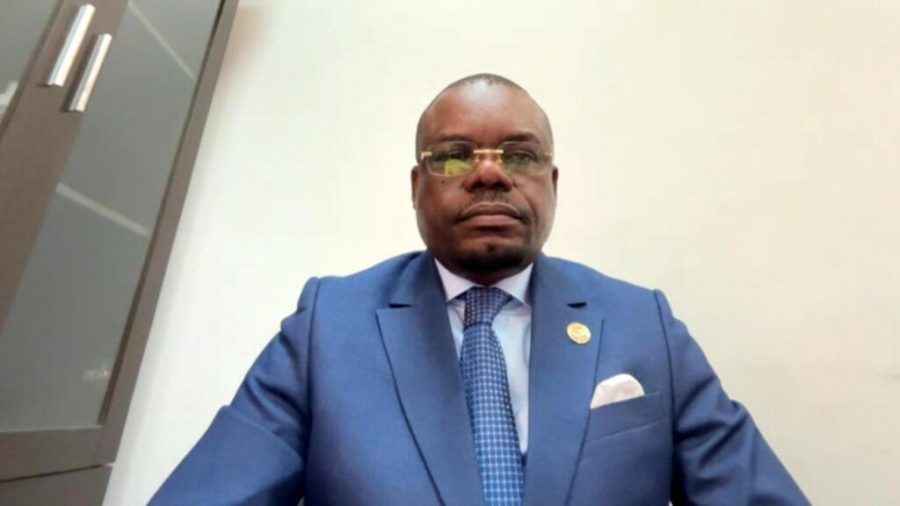
The ongoing Ebola outbreak in the Democratic Republic of Congo (DRC) has raised significant concerns among health officials and the global community. In a recent interview with FRANCE 24, Dr. Jean Kaseya, the head of the Africa Centres for Disease Control and Prevention (Africa CDC), provided critical insights into the current situation. While he described the outbreak as ‘serious,’ he also emphasized that it is not ‘out of control.’
The Current Situation
Despite the alarming nature of the outbreak, Dr. Kaseya reassured the public that swift action can still mitigate its spread. ‘This is a serious outbreak, but it is not out of control. We have the ability to contain it if we act quickly and decisively,’ he stated. The DRC has faced multiple Ebola outbreaks in recent years, and each time, the response has become more coordinated, thanks to lessons learned from previous experiences.
Global Health Implications
Dr. Kaseya warned that if the outbreak is not contained at its source, no one is safe. ‘Ebola knows no borders. If we do not stop it here, it can easily spread to neighboring countries and beyond,’ he cautioned. The potential for international transmission poses a significant risk, reminding global health authorities of the importance of a unified response to infectious diseases.
- Rapid Response Teams: The DRC has deployed rapid response teams to affected areas, equipped with the knowledge and resources necessary to contain outbreaks.
- Community Engagement: Local communities are being educated about the symptoms and preventive measures associated with Ebola, which is crucial for early detection and treatment.
- International Cooperation: Collaboration with international health organizations is vital to ensure that necessary resources, including vaccines and medical personnel, are available.
The Vaccine Debate
Dr. Kaseya’s remarks also touched on a pointed issue: the disparity in the availability of vaccines. He pointed out that if an outbreak of a disease like Ebola were to occur in the West, there would likely be an immediate response involving vaccines and extensive medical support. ‘We must ask ourselves why the same urgency is not applied here in Africa,’ he said. This disparity underscores the ongoing challenges faced by African nations in securing the necessary medical interventions to combat outbreaks.
The Path Forward
Looking ahead, Dr. Kaseya called for increased investment in public health infrastructure across Africa. ‘Investing in health systems is not just about responding to outbreaks; it’s about building resilience,’ he explained. By strengthening healthcare systems, African nations can better prepare for future health emergencies and reduce reliance on external aid.
As the situation in the DRC continues to evolve, the world watches closely. Health officials hope that with a combined effort from local communities, governments, and international partners, the current outbreak can be contained effectively, preventing further spread and protecting lives.