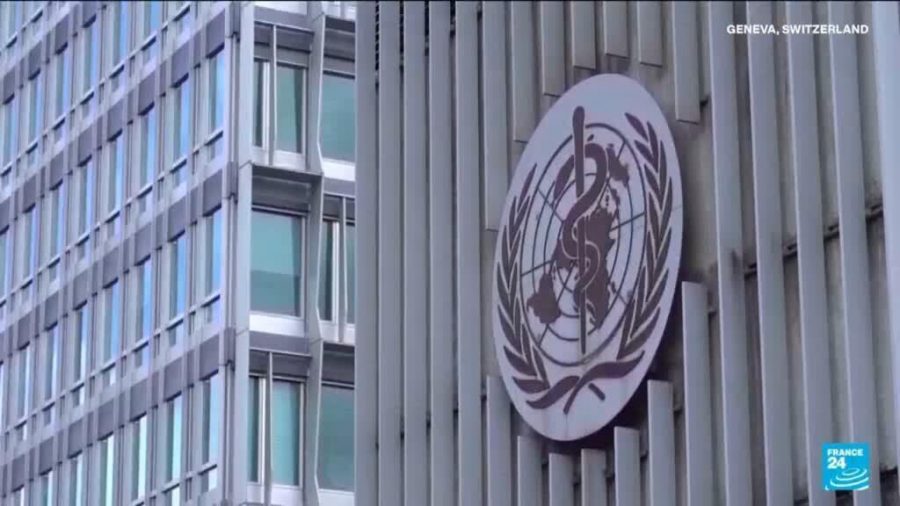
The World Health Organization (WHO) has declared an international health emergency over an outbreak of an Ebola strain in the Democratic Republic of Congo that has killed more than 80 people. The declaration was made on Sunday, amidst growing concerns about the spread of the disease, for which there is no vaccine.
Ebola Outbreak: A Growing Concern
The Ebola outbreak in the Democratic Republic of Congo has been ongoing for several months, with the first cases reported in April. Since then, the disease has spread rapidly, infecting hundreds of people and killing more than 80. The WHO has been working closely with local health authorities to contain the outbreak, but the lack of a vaccine has made it difficult to prevent the spread of the disease.
Efforts to Contain the Outbreak
Despite the challenges, health workers have been working tirelessly to contain the outbreak. They have been going door-to-door to identify people who may have been infected, and setting up quarantine centers to isolate those who are sick. The WHO has also been providing support to local health authorities, including providing medical supplies and equipment.
However, the outbreak has been made more complicated by the fact that it is occurring in a remote and densely populated area. Many people in the area have been displaced by conflict, making it difficult for health workers to reach them. Additionally, there have been reports of violence against health workers, which has further hindered efforts to contain the outbreak.
What is Ebola?
Ebola is a rare and deadly disease that is caused by a virus. It is spread through contact with infected bodily fluids, such as blood and sweat. The symptoms of Ebola include fever, headache, and muscle pain, and can progress to more severe symptoms such as bleeding and organ failure. If left untreated, Ebola can be fatal.
There are several different strains of Ebola, and the strain that is currently affecting the Democratic Republic of Congo is one of the most deadly. The lack of a vaccine for this strain has made it difficult to prevent the spread of the disease, and health workers have had to rely on other methods to contain the outbreak.
International Response
The international community has come together to respond to the Ebola outbreak in the Democratic Republic of Congo. The WHO has been working closely with other international organizations, such as the Centers for Disease Control and Prevention (CDC) and the United Nations (UN), to provide support to local health authorities. The international community has also been providing funding and resources to help contain the outbreak.
Some of the ways that the international community is responding to the outbreak include:
- Providing medical supplies and equipment to local health authorities
- Supporting the deployment of health workers to affected areas
- Providing funding for efforts to contain the outbreak
- Conducting research into the development of a vaccine for the Ebola strain
The international response to the Ebola outbreak in the Democratic Republic of Congo is crucial to containing the spread of the disease. With the help of the international community, local health authorities may be able to bring the outbreak under control and prevent further spread of the disease.
Conclusion
The Ebola outbreak in the Democratic Republic of Congo is a serious and growing concern. With more than 80 people killed and hundreds more infected, the disease has the potential to spread rapidly and cause widespread harm. However, with the help of the international community and the efforts of local health authorities, it may be possible to contain the outbreak and prevent further spread of the disease.
The WHO declaration of an international health emergency is a strong indication of the severity of the outbreak and the need for a coordinated international response. As the situation continues to unfold, it is likely that we will see a significant increase in efforts to contain the outbreak and prevent the spread of the disease.
It is imperative that the international community continues to provide support to local health authorities and that efforts to contain the outbreak are sustained over the coming weeks and months.