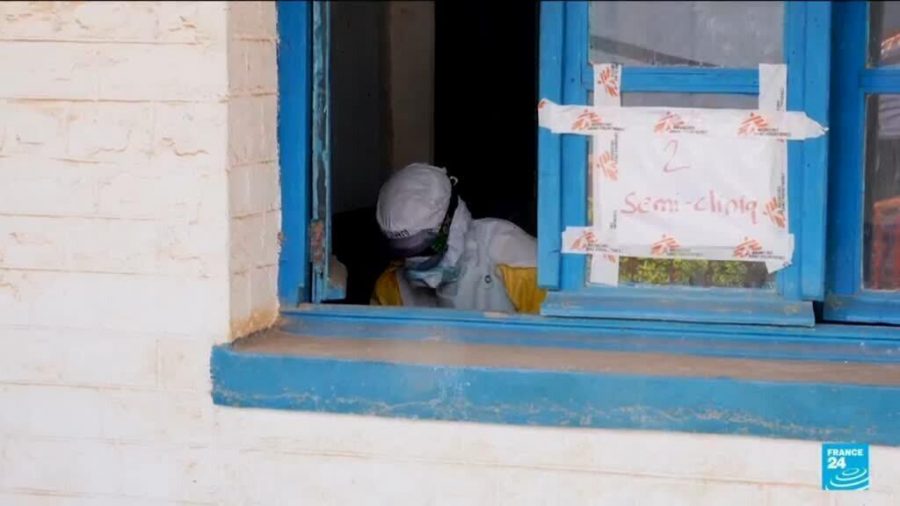
Ebola Treatment Trial Launches in DRC
In a significant development in the fight against the Bundibugyo Ebola outbreak, the Democratic Republic of Congo (DRC) has initiated a treatment trial aimed at combating the virus. The World Health Organization (WHO) announced that the trial enrolled its first patient on Thursday, a crucial milestone that brings renewed hope to the region grappling with this deadly disease.
A Step Forward in Medical Research
The WHO chief, Dr. Tedros Adhanom Ghebreyesus, shared the news with reporters, emphasizing the importance of this trial in the global effort to understand and combat Ebola. “This is a vital step in our ongoing fight against the virus, and it highlights our commitment to bringing effective treatments to the people who need them most,” Dr. Tedros stated.
Understanding the Bundibugyo Ebola Virus
The Bundibugyo strain of the Ebola virus was first identified in 2007 in the Bundibugyo District of DRC. Since then, it has posed significant challenges for health authorities and researchers alike. The current outbreak has raised alarms due to its potential to spread rapidly and its high fatality rate among those infected. This trial aims to evaluate the effectiveness of new treatment regimens that could save lives and stop the spread of the virus.
The Significance of Clinical Trials
Clinical trials are fundamental in medical research, providing the necessary framework to test new treatments and gather data on their efficacy and safety. In the context of Ebola, these trials can lead to breakthroughs that significantly alter the course of outbreaks. The trial in DRC will not only test new therapeutic options but also gather essential data that can inform future responses to Ebola outbreaks globally.
Community Involvement and Safety Precautions
Ensuring the safety of participants is paramount. The trial is being conducted under strict ethical guidelines and with the full cooperation of local communities. Health officials have emphasized the importance of community engagement in the trial process, ensuring that local populations understand the study’s purpose and the measures in place to protect them.
- Informed Consent: Participants must provide informed consent, fully understanding the potential risks and benefits.
- Monitoring and Support: Continuous monitoring of participants is critical, with support systems established to address any adverse effects.
- Community Education: Information campaigns are being launched to educate the public about the trial and its importance.
A Collaborative Effort
The trial is a collaborative effort involving multiple stakeholders, including the DRC Ministry of Health, international health organizations, and local NGOs. This partnership aims to ensure that the trial is conducted efficiently and ethically while maximizing its potential benefits to the affected communities.
Looking Ahead
As the trial progresses, health officials remain cautiously optimistic about the outcomes. The success of this initiative could pave the way for new treatment options and strategies to combat not just the Bundibugyo strain but potentially other strains of the Ebola virus as well. The global health community is closely watching the developments in DRC, hoping that this trial marks a turning point in the ongoing battle against Ebola.
Conclusion
The initiation of the treatment trial in the DRC is a beacon of hope in a region that has faced the devastating impacts of Ebola. As researchers and health officials work tirelessly to combat this outbreak, the global community stands in solidarity with the people of DRC, looking forward to effective treatments that can save lives and prevent future outbreaks.