Egypt’s Economic Agenda: A New Era of Sustainability
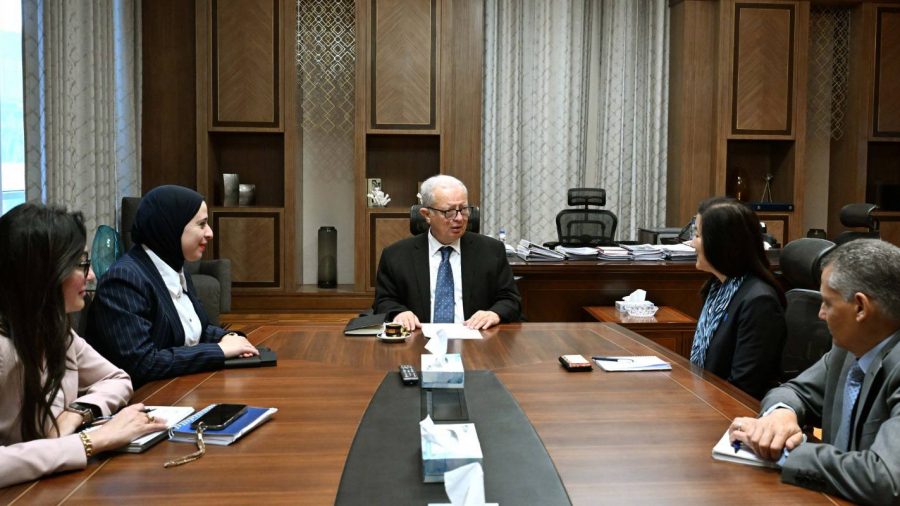
Egypt is taking significant strides in its economic development, with a focus on implementing structural reforms and securing the financial sustainability of state assets. The latest developments were outlined during a meeting between Deputy Prime Minister for Economic Affairs, Hussein Issa, and Chitose Noguchi, Resident Representative of the United Nations Development Programme (UNDP) in Egypt.
State Asset Reforms and Solar Energy
The Egyptian government is advancing an initiative to produce 200 megawatts of solar energy for state-owned industrial facilities. This project is part of a broader drive to promote the use of renewable energy and reduce the country’s dependence on traditional fossil fuels. The 200-megawatt solar project is expected to play a significant role in supporting the country’s industrial sector, while also contributing to the reduction of greenhouse gas emissions.
Economic Reforms and UNDP Support
The Egyptian government’s economic reform agenda is focused on improving the efficiency and competitiveness of state-owned enterprises, as well as promoting private sector participation in the economy. The UNDP is providing technical assistance and support to the Egyptian government in its efforts to implement these reforms. The organization is working closely with the government to identify areas of reform and provide expertise and guidance on best practices.
Benefits of the Solar Project
The 200-megawatt solar project is expected to have numerous benefits for the Egyptian economy and environment. Some of the key benefits include:
- Reduced greenhouse gas emissions: The project will contribute to the reduction of greenhouse gas emissions, helping to mitigate the impacts of climate change.
- Improved energy security: The project will help to reduce Egypt’s dependence on traditional fossil fuels, improving the country’s energy security and reducing its vulnerability to price volatility.
- Job creation: The project is expected to create new job opportunities in the renewable energy sector, contributing to the country’s economic growth and development.
- Increased competitiveness: The project will help to improve the competitiveness of Egyptian industries, making them more attractive to foreign investors and contributing to the country’s economic growth.
Conclusion
In conclusion, Egypt’s economic agenda is focused on implementing structural reforms and promoting the use of renewable energy. The 200-megawatt solar project is a significant step forward in this effort, and is expected to have numerous benefits for the Egyptian economy and environment. With the support of the UNDP, the Egyptian government is well-placed to achieve its economic development goals and promote a more sustainable future for the country.