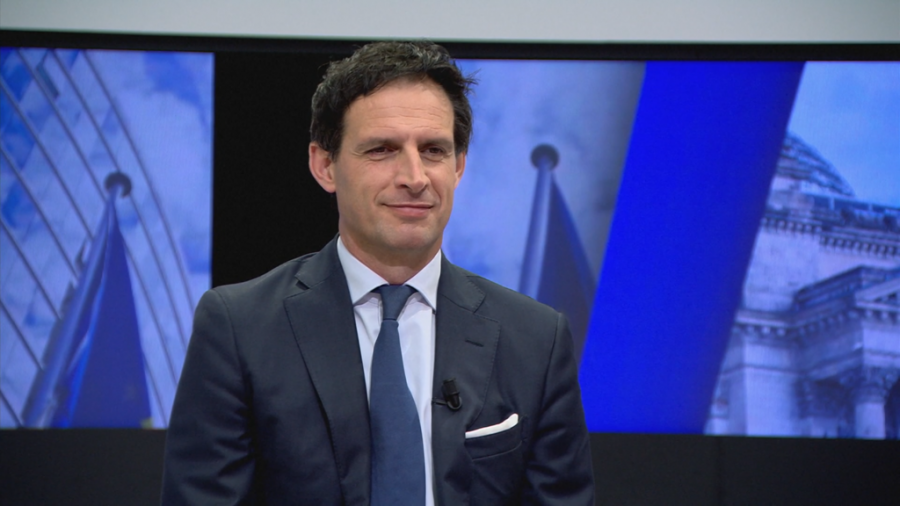
Urgent Call for European Energy Independence
In the wake of a record-breaking heatwave that has gripped Europe this May, the urgency for a shift towards clean, homegrown energy has never been more apparent. With severe drought conditions impacting lands and rivers, the effects of climate change are forcing the European Union to reevaluate its energy strategies. In an exclusive interview, we spoke with Wopke Hoekstra, the EU’s Commissioner for Climate, Net Zero, and Clean Growth, about the bloc’s ambitious carbon emissions reduction targets, the upcoming COP summit, and the ongoing energy crisis exacerbated by geopolitical tensions.
Climate Change: A Personal Experience
As temperatures soar, Hoekstra finds himself reflecting on the stark realities of climate change. “This heatwave is not just a statistic; it’s a lived experience for millions of Europeans,” he states. The Commissioner emphasizes that the increasing frequency of extreme weather events serves as a clarion call for immediate action.
The EU’s Carbon Emissions Reduction Goals
The EU has long positioned itself as a leader in the global fight against climate change, with ambitious targets set for reducing carbon emissions. Hoekstra outlines the bloc’s goal to cut emissions by at least 55% by 2030 compared to 1990 levels. “We need to accelerate our transition to renewable energy sources,” he asserts. “The time for debate has passed; we must act decisively to ensure a sustainable future.”
Preparing for the Next COP Summit
As the next COP summit approaches, Hoekstra expresses hope for a renewed commitment among nations to tackle climate issues collectively. “The summit is an opportunity for us to come together and reaffirm our commitments. We need more clean, homegrown, cheap European energy, and that requires cooperation at all levels.” He highlights the importance of not only setting targets but also implementing practical solutions that can be scaled across the continent.
The Energy Crisis: A Result of Geopolitical Instability
The ongoing war in the Middle East has intensified the energy crisis, leading to soaring fuel prices and increased reliance on imported fossil fuels. Hoekstra acknowledges the challenges posed by these geopolitical tensions. “We must reduce our dependence on external energy sources. The recent events underscore the vulnerability of our energy systems.” He advocates for a comprehensive energy strategy that prioritizes renewable resources and enhances energy independence.
Investing in Renewable Energy
Hoekstra champions a significant investment in renewable energy technologies. “Solar, wind, and hydropower are not just alternatives; they are the future of our energy landscape,” he declares. He cites the potential for job creation and economic growth through the development of the green economy. “Transitioning to renewable energy is not just an environmental imperative; it’s an economic opportunity.”
Engaging Citizens in the Climate Conversation
Beyond policy and technology, Hoekstra stresses the importance of engaging citizens in the climate conversation. “We need to empower individuals and communities to take action. Education and awareness are crucial in driving the change we need.” He advocates for more public initiatives that encourage sustainable practices and foster a sense of collective responsibility.
Conclusion: A Call to Action
As Europe grapples with the immediate effects of climate change and energy insecurity, Hoekstra’s message is clear: the time for action is now. “We are at a critical juncture,” he states. “It is imperative that we unite our efforts to build a sustainable and resilient energy future for Europe.” With the heatwave serving as a stark reminder of the challenges ahead, the EU’s commitment to carbon emissions reduction and the transition to renewable energy could hold the key to navigating the climate crisis.