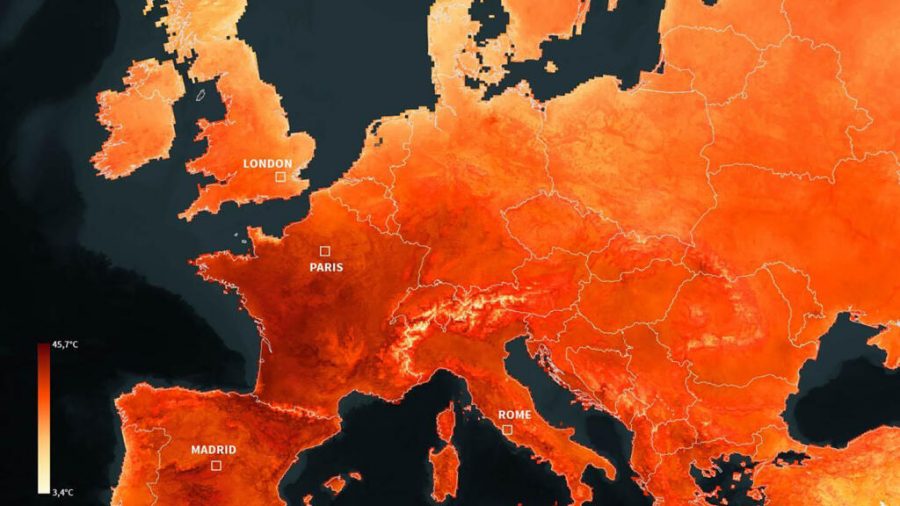
Europe Struggles Under Unrelenting Heatwave
As a brutal heatwave continues to grip Europe, forecasts indicate that over 101 million people across the continent will endure temperatures exceeding 35 degrees Celsius this Thursday. This extreme weather event has not only raised alarms about public health but has also drawn comparisons to the scorching conditions typically associated with regions in Africa.
Unprecedented Heat: A Closer Look
Countries including France, Spain, and Germany find themselves under the oppressive weight of soaring temperatures, which have led to widespread concerns about heat-related illnesses and fatalities. Meteorologists warn that this heatwave is not only one of the hottest recorded in Europe but also poses a significant threat to vulnerable populations, particularly the elderly and those with preexisting health conditions.
Impact on Daily Life
The relentless heat has forced many residents to alter their daily routines. In cities like Paris, Madrid, and Berlin, outdoor activities have been curtailed as people seek refuge indoors, often in air-conditioned environments. Schools and workplaces are adapting by implementing flexible hours or encouraging remote work to minimize exposure to the extreme heat.
Government Responses
In response to the worsening conditions, governments across Europe have mobilized resources to address the crisis. Public health agencies are issuing advisories urging citizens to stay hydrated and avoid strenuous outdoor activities during peak hours. Additionally, emergency services have been put on high alert to assist those affected by heat-related emergencies.
Environmental Concerns
This ongoing heatwave raises critical questions about climate change and its impact on weather patterns in Europe. Experts note that such extreme temperatures are becoming increasingly common due to rising global temperatures. The European Environment Agency has reported that Europe is warming at a rate faster than the global average, leading to more frequent and intense heatwaves.
Comparisons to African Heat
Interestingly, the current conditions in parts of Europe are being compared to those typically experienced in regions of Africa. While countries like Algeria and Sudan are accustomed to sweltering heat, the current situation in Europe highlights the shifting climate dynamics that are making once temperate regions susceptible to extreme weather.
Public Health Implications
Health experts emphasize the importance of recognizing the signs of heat-related illnesses, such as heat exhaustion and heat stroke. Symptoms can include dizziness, nausea, and confusion, which can escalate quickly without intervention. Hospitals in major cities are preparing for a potential influx of patients seeking treatment for these conditions.
Future Projections
Looking ahead, meteorologists predict that the heatwave will continue to linger, with no immediate relief in sight. This situation serves as a stark reminder of the urgent need for climate action and adaptation strategies to protect vulnerable populations from the escalating effects of climate change.
Conclusion
As Europe grapples with this unprecedented heatwave, the implications for public health, daily life, and the environment are profound. The current crisis underscores the necessity for both immediate and long-term strategies to mitigate the impacts of extreme weather and safeguard the well-being of millions across the continent.