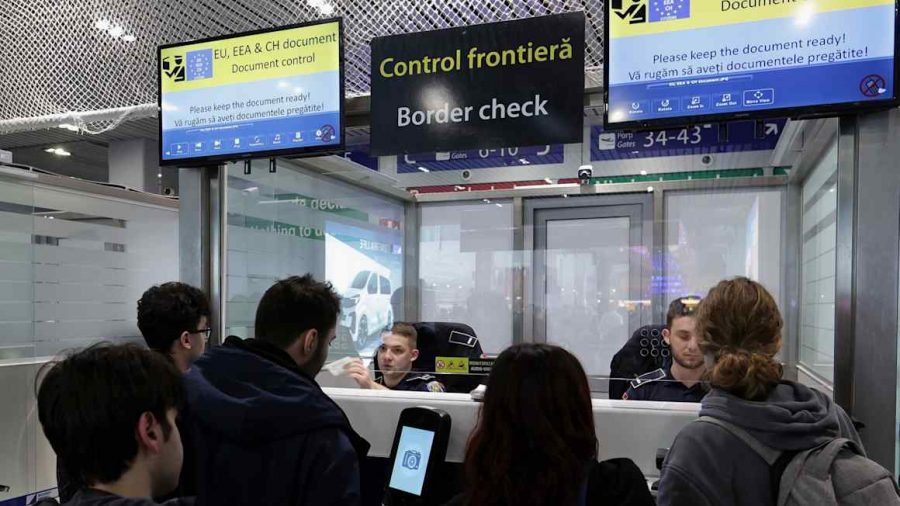
Europe’s Smart Border System: A ‘Whack-a-Mole’ Approach to Security
The concept of a smart border system in Europe was first proposed in 2008, with the aim of creating a more efficient and secure way to manage the movement of people across the continent. The idea was to use automated systems to identify and prevent criminals and other unwanted individuals from entering the region, while also streamlining the process for legitimate travelers. However, over a decade later, the system has failed to deliver on its promises, and instead, it is causing significant delays for travelers.
The Problems with the Smart Border System
One of the main issues with the smart border system is its inability to effectively identify and flag potential security threats. The system relies on a complex algorithm that takes into account a range of factors, including an individual’s travel history, criminal record, and biometric data. However, this algorithm has been criticized for being overly broad and prone to false positives, resulting in many innocent travelers being incorrectly flagged as security risks.
Another problem with the system is its lack of coordination between different countries and agencies. The smart border system is designed to be a pan-European initiative, but in practice, it has been implemented in a piecemeal fashion, with different countries and agencies using different systems and protocols. This has created a ‘whack-a-mole’ situation, where a problem is solved in one area only to pop up in another.
Delays and Frustrations for Travelers
The failure of the smart border system to deliver on its promises has resulted in significant delays and frustrations for travelers. Many people have reported waiting in line for hours, only to be told that they have been flagged as a security risk and need to undergo additional screening. This has not only caused inconvenience but also damaged the reputation of Europe as a welcoming and efficient destination for tourists and business travelers.
- Long wait times: Travelers are often forced to wait in line for hours, only to be told that they need to undergo additional screening.
- Inconsistent application: The smart border system is applied inconsistently across different countries and agencies, leading to confusion and frustration for travelers.
- Lack of transparency: The algorithm used to flag potential security threats is not transparent, making it difficult for travelers to understand why they have been flagged and how to appeal the decision.
Conclusion: The smart border system in Europe has failed to deliver on its promises, causing delays and frustrations for travelers. To address these issues, there needs to be a more coordinated approach to implementing the system, as well as greater transparency and accountability in how it is used. Only then can the system hope to achieve its goal of keeping out criminals while also streamlining the process for legitimate travelers.