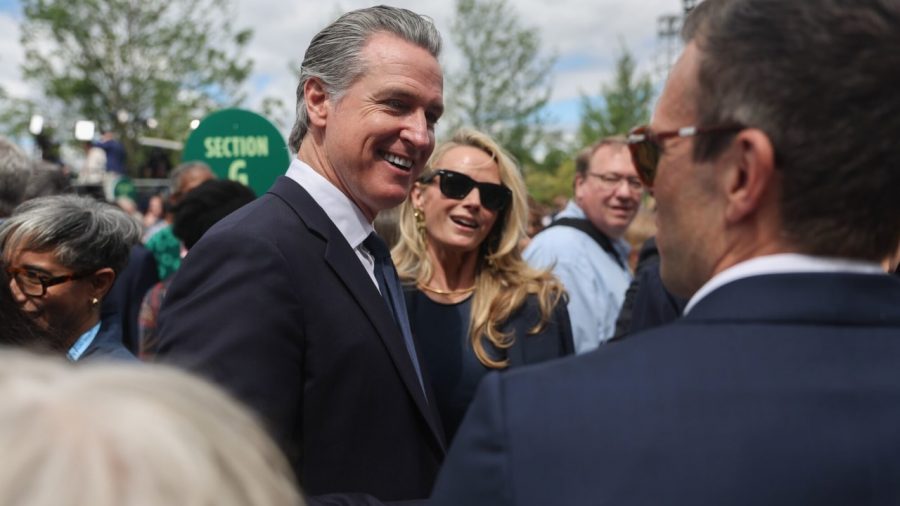
An Inside Look at California Governor Gavin Newsom’s Donor Relationships
Governor Gavin Newsom of California has become a prominent figure in American politics, not only for his leadership during challenging times but also for his extensive network of donors. The concept of behested payments, which allows elected officials to solicit contributions for charitable causes, has come under scrutiny as it raises questions about the influence of money in politics.
Understanding Behested Payments
Behested payments refer to donations that public officials can request for charitable organizations. This practice, while legal, has created a grey area in campaign financing and political ethics. For instance, Governor Newsom’s administration has seen significant contributions directed towards various initiatives he champions, leading critics to question whether these donations can sway policy decisions.
Newsom’s Donor Base
The governor’s donor base is a mix of influential figures from various sectors, including technology, healthcare, and real estate. Notable names include:
- Tech Giants: Executives from leading Silicon Valley companies have been significant contributors, reflecting the growing intersection between technology and governance.
- Healthcare Leaders: With California’s ongoing health crises, donations from healthcare professionals and organizations have surged, raising concerns about potential conflicts of interest.
- Real Estate Developers: Developers and builders have also played a crucial role in funding Newsom’s initiatives, particularly those related to housing and urban development.
The Impact of Donations on Policy
While contributions to charitable causes are intended to benefit the community, there is a fine line between philanthropy and influence. Critics argue that the significant financial support that Newsom receives could lead to preferential treatment for certain donors, especially in policy discussions surrounding housing, healthcare, and education.
For example, when the governor advocates for housing reforms, the involvement of real estate donors raises eyebrows. Are these contributions simply altruistic, or do they carry expectations of favorable policy outcomes?
Public Perception and Trust
The intertwining of donations and governance raises broader questions about transparency and trust in public office. Californians have expressed concern over whether their elected officials are acting in the best interest of the populace or catering to the interests of their donors. The perception of corruption or bias can undermine public confidence in government.
Legislative Responses
In response to the growing concerns surrounding behested payments and donor influence, lawmakers are beginning to explore potential reforms aimed at increasing transparency in campaign financing. These reforms may include stricter regulations on how donations are solicited and reported, as well as greater accountability for public officials.
Furthermore, advocacy groups are calling for a more robust framework to ensure that contributions do not compromise the integrity of public service. As California navigates these complex issues, the balance between fundraising for charitable causes and maintaining ethical governance remains a critical topic of discussion.
Conclusion
As Governor Gavin Newsom continues to lead California, the implications of his donor relationships and the practice of behested payments will undoubtedly shape his administration’s legacy. The ongoing debate surrounding campaign financing and political ethics is not just a matter of money; it is about the fundamental principles of democracy and public trust.