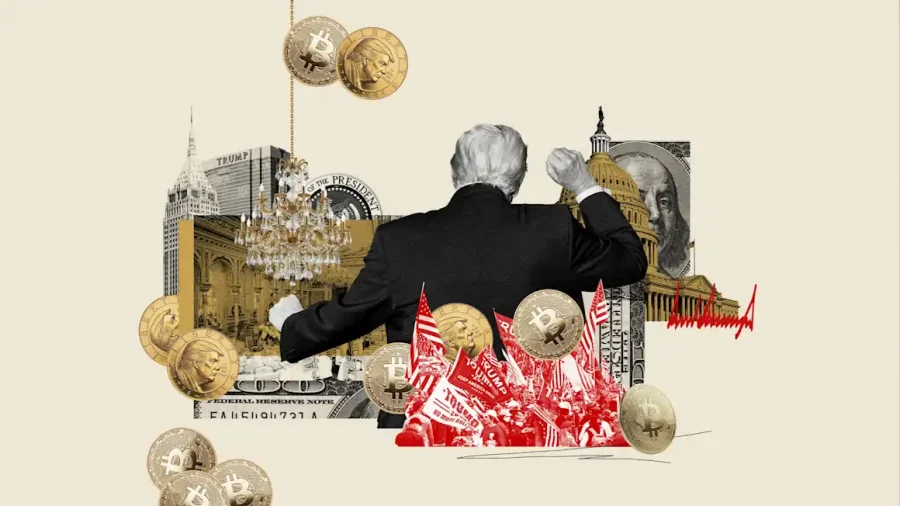
Exploring Trump’s Self-Enrichment: A Historical Perspective
As the nation grapples with the implications of Donald Trump’s presidency, questions surrounding the intersection of public duty and personal gain have come to the forefront. This article delves into the historical precedents of self-enrichment in the White House and examines how these instances may influence the perceptions of American voters.
The Historical Context
Throughout American history, the blurred lines between public service and private interests have often led to controversies involving elected officials. From the days of George Washington to the modern era, the temptation to leverage public office for personal financial gain has been a recurring theme.
- George Washington: The first president, while revered for his leadership, also faced scrutiny for his land holdings and business dealings.
- Ulysses S. Grant: His administration was marred by scandals involving corruption and the misuse of public funds.
- Warren G. Harding: The Teapot Dome scandal exemplified the dangers of prioritizing personal connections over public accountability.
Trump’s Unique Challenge
Donald Trump’s presidency has brought self-enrichment to new heights, characterized by a unique blend of business acumen and political power. His real estate empire and branding ventures have led to questions about potential conflicts of interest and the ethical implications of his dual roles as president and businessman.
Critics argue that Trump’s continued ownership of his businesses while in office created an environment ripe for self-serving policies. For instance, his frequent visits to Trump properties have raised eyebrows, with many suggesting that these excursions served to boost his personal profits rather than represent the interests of the American public.
The Voter Response
American voters have historically shown varying levels of tolerance toward perceived self-enrichment among their leaders. While some voters may prioritize economic policies or party loyalty over ethical concerns, others are increasingly vigilant about the integrity of their elected officials. Recent surveys indicate a growing discontent among voters regarding the mingling of Trump’s business interests with his presidential duties.
This sentiment reflects a broader societal expectation that public officials should uphold the highest ethical standards. The challenge lies in whether this expectation can translate into actionable consequences at the ballot box. As the 2024 election approaches, candidates who prioritize transparency and accountability may find favor with an electorate weary of ethical ambiguities.
Lessons from History
History serves as a valuable teacher in understanding the ramifications of self-enrichment in politics. The fallout from previous scandals has often led to reforms aimed at enhancing transparency and accountability in government. The key lesson is that unchecked power can lead to corruption, ultimately eroding public trust.
As the nation reflects on the implications of Trump’s presidency, it is crucial to consider how historical precedents can inform contemporary political discourse. The ongoing discourse surrounding self-enrichment may not only shape the future of Trump’s political career but also redefine the standards by which all public officials are judged.
Conclusion
In conclusion, the intertwining of public and private interests is not a new phenomenon in American politics; however, the scale and visibility of Trump’s self-enrichment may test the limits of voter tolerance. As history has shown, the electorate ultimately holds the power to demand accountability, and the lessons learned from the past may guide them in making informed decisions in the future.