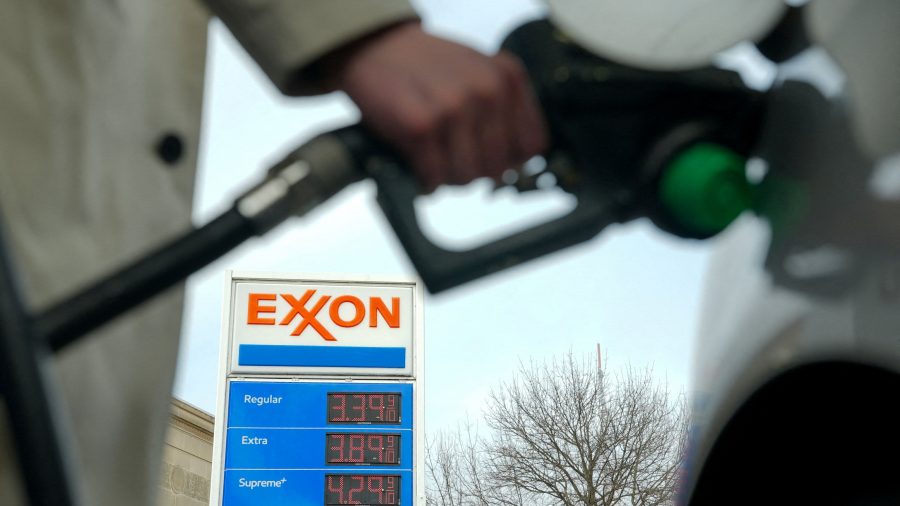
Exxon Mobil and Chevron Earnings Decline Amid Iranian Conflict Disruptions
The ongoing conflict in Iran is causing significant ripples in the global oil market, leading to a noticeable drop in earnings for two of the largest oil companies in the world: Exxon Mobil and Chevron. With the geopolitical tensions heating up, particularly following the U.S. and Israel’s military actions against Iran on February 28, oil prices have experienced a tumultuous shift, impacting not only these corporations but the entire energy sector.
Initial Impact of Oil Prices
At the beginning of the year, oil prices were relatively low, creating a challenging environment for energy companies. Analysts noted that the market was grappling with oversupply and sluggish demand, leading to decreased profits for major players in the industry. However, the situation drastically changed following the escalation of military actions in the Middle East.
Spike in Oil Prices Post-Conflict
After the attacks on Iran, a country that plays a crucial role in global oil shipments, prices surged sharply. The sudden spike can be attributed to fears of supply disruptions and increased geopolitical instability, which often leads to speculative trading in oil markets. The Brent crude oil benchmark jumped significantly, reflecting the heightened risk associated with Middle Eastern oil supply routes.
Exxon Mobil and Chevron’s Financial Reports
In their recent financial disclosures, both Exxon Mobil and Chevron reported declines in earnings compared to previous quarters. Analysts have attributed this downturn to various factors, including the initial lower oil prices earlier in the year and the immediate aftermath of the Iranian conflict.
- Exxon Mobil: The company reported a 15% drop in profits, largely due to decreased output and lower demand forecasts.
- Chemical Division Impact: Exxon’s chemical division, which typically benefits from lower oil prices, also saw a decline as feedstock costs rose.
- Chevron: The firm experienced a 12% decrease in earnings, with executives citing the volatility in oil prices as a significant challenge moving forward.
Future Outlook for the Oil Industry
As the situation in Iran continues to develop, industry experts are closely monitoring the potential long-term impacts on oil shipments and prices. Increased military activity in the region raises questions about the stability of oil supply chains, which could lead to further price volatility in the coming months. Companies like Exxon and Chevron may need to adapt their strategies to navigate this uncertain landscape.
Additionally, the geopolitical climate could prompt shifts in energy policy, not only in the U.S. but globally. As countries reassess their energy dependencies, there might be an accelerated push towards alternative energy sources, which could reshape the oil market over the long term.
Conclusion
The fallout from the Iranian conflict has underscored the interconnectedness of global geopolitics and the oil market. With Exxon Mobil and Chevron’s earnings taking a hit, it remains to be seen how these companies will adjust to the changing dynamics of oil prices and supply chains in a world marked by instability.