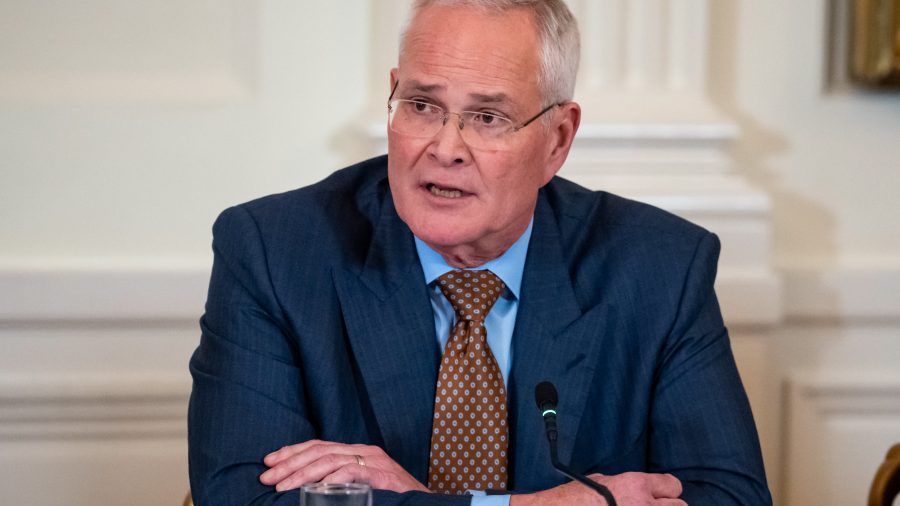
Exxon Mobil CEO Predicts Rising Oil Prices Amid Iran Conflict
In a recent statement, Exxon Mobil’s CEO expressed concerns over the volatile state of oil prices in the wake of escalating tensions in the Middle East, particularly regarding the ongoing conflict in Iran. As geopolitical tensions rise, so does the uncertainty surrounding the global oil market, prompting industry leaders to reevaluate their projections.
The Cycle of Fluctuating Oil Prices
Oil prices have experienced a dramatic rollercoaster effect as the situation in Iran continues to evolve. Initially, prices soared in response to fears of an escalation in conflict, only to plummet on optimistic news regarding potential peace talks. This cycle of rising and falling prices reflects the market’s struggle to assess the true impact of the ongoing conflict.
The CEO’s Perspective
The CEO of Exxon Mobil articulated a concerning outlook, stating, “The market hasn’t seen the full impact of the conflict yet.” His assertion underscores the belief that the current fluctuations in oil prices are just the beginning of a more significant trend that could unfold as the situation develops. He emphasized that investors and consumers alike should brace for possible increases in oil prices as the geopolitical landscape shifts.
Market Reactions to Geopolitical Tensions
The global oil market is highly sensitive to geopolitical events, and the Iranian conflict is no exception. Factors such as military actions, diplomatic negotiations, and sanctions can all contribute to sudden shifts in oil prices. Recent history has shown that even the slightest hint of conflict or resolution can lead to drastic changes in market behavior.
- Increased Demand: As tensions escalate, countries may stockpile oil reserves, driving up demand and prices.
- Supply Chain Disruptions: Any military engagement could disrupt shipping routes or production, further impacting supply.
- Investor Sentiment: Uncertainty breeds caution among investors, leading to increased volatility in oil markets.
Global Implications of Rising Oil Prices
Increased oil prices can have far-reaching implications not only for the energy sector but also for the global economy as a whole. Higher oil prices can lead to increased costs for consumers and businesses, potentially stifling economic growth. Countries heavily reliant on oil imports may face trade imbalances, while oil-producing nations might experience economic windfalls.
Looking Ahead: What to Expect
As the conflict in Iran continues to unfold, analysts are keeping a close eye on market trends. The consensus among experts is that the oil market will remain volatile in the near term, with potential for both increases and decreases in prices depending on the geopolitical landscape. Investors are advised to remain vigilant and consider the broader implications of these fluctuations.
Conclusion
The ongoing conflict in Iran serves as a stark reminder of the interconnectedness of global events and the oil market. With Exxon Mobil’s CEO predicting higher oil prices, the industry is poised for a period of uncertainty and potential change. Stakeholders across the board must navigate this complex landscape carefully as they prepare for the economic ramifications of rising oil prices.