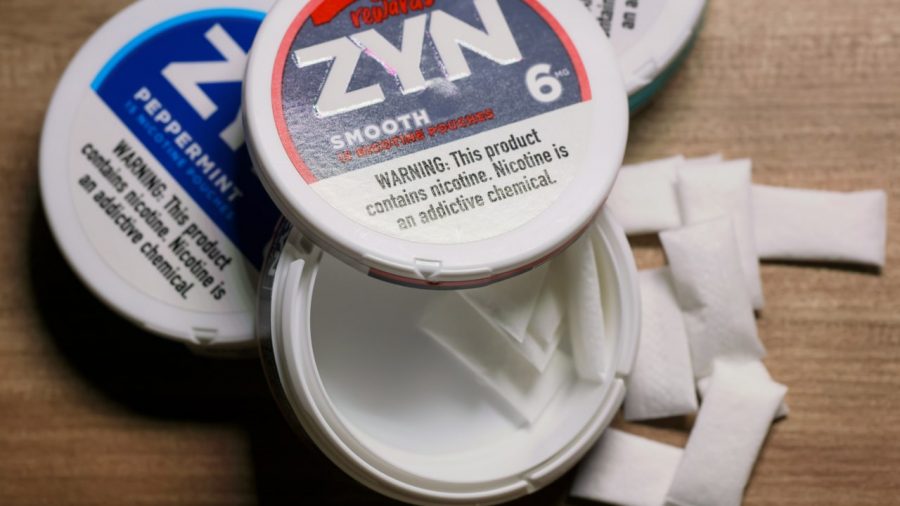
FDA Grants Philip Morris a Victory for Zyn Nicotine Pouches
The U.S. Food and Drug Administration (FDA) has issued a significant ruling that allows Philip Morris International (PMI) to market its Zyn nicotine pouches as a less harmful alternative to traditional cigarettes. This decision marks a pivotal moment in the ongoing debate over nicotine products and their health implications, especially in a market increasingly focused on harm reduction.
Understanding the FDA’s Ruling
The FDA’s endorsement of Zyn comes after extensive reviews of the product’s safety profile and its potential public health impact. According to the agency, Zyn pouches do not contain tobacco, which is a key differentiator from traditional smoking products. This ruling enables PMI to position Zyn as a safer option for adult smokers looking to transition away from combustible tobacco.
What Are Nicotine Pouches?
Nicotine pouches are small, discreet packets that contain nicotine derived from tobacco but do not include the leaf itself. Users place these pouches between their gums and lips, allowing nicotine to be absorbed without the need for smoking or chewing tobacco. PMI’s Zyn brand has gained popularity among consumers, particularly among younger demographics seeking alternatives to cigarettes.
Health Implications and Consumer Perception
The FDA’s ruling is significant in shaping public perception of nicotine products. By approving the marketing of Zyn as less harmful, the agency is essentially acknowledging a growing trend towards harm reduction in tobacco use.
- Public Health Considerations: The FDA anticipates that Zyn could appeal to smokers who are seeking to quit or reduce their tobacco consumption.
- Regulatory Landscape: The decision also illustrates the FDA’s broader approach to regulating tobacco products, which includes evaluating the health risks associated with various nicotine delivery systems.
- Market Dynamics: The approval could potentially reshape the competitive landscape among nicotine products, as other companies may seek similar endorsements for their offerings.
Reactions from the Tobacco Industry
Philip Morris has celebrated the FDA’s decision, viewing it as a confirmation of its commitment to delivering safer alternatives to adult smokers. The company has invested heavily in research and development of non-combustible products, positioning itself as a leader in the evolving tobacco landscape.
Conversely, health advocates have raised concerns about the implications of such marketing. While Zyn may present a reduced risk compared to cigarettes, critics argue that it still poses health risks, particularly for younger users who may be attracted to its flavored options.
The Future of Nicotine Products
As the marketplace for nicotine products continues to evolve, the FDA’s ruling on Zyn may set a precedent for other companies looking to promote their own products as safer alternatives. The agency’s ongoing evaluations will likely play a crucial role in determining how these products are regulated and marketed in the future.
Conclusion
With the FDA’s recent ruling, Philip Morris International has gained a substantial foothold in the nicotine pouch market. As consumers become increasingly health-conscious, the demand for products perceived as less harmful is likely to grow. The long-term impact of Zyn and similar products on public health remains to be seen, but this decision undoubtedly opens a new chapter in the narrative surrounding tobacco use and harm reduction.