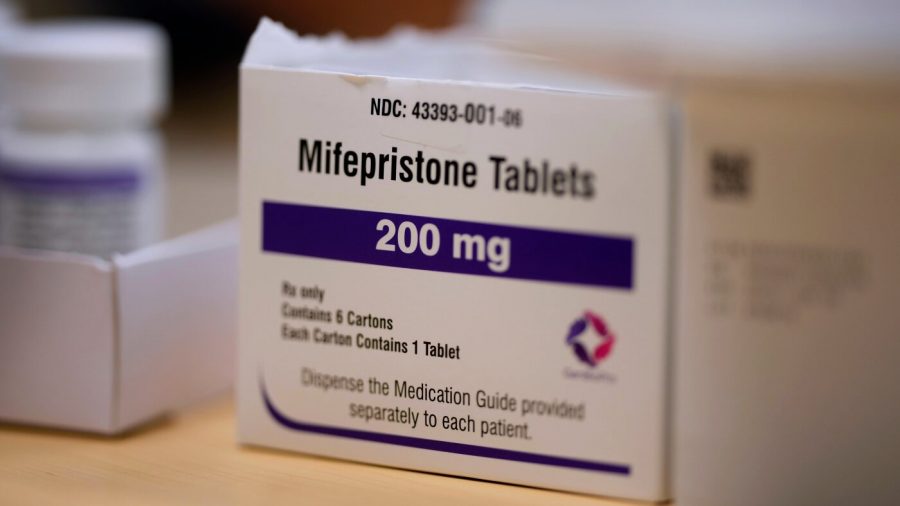
Federal Appeals Court Limits Access to Mifepristone, A Key Abortion Medication
A federal appeals court has taken a significant step in restricting abortion access across the United States by blocking the mailing of mifepristone, a medication crucial for medical abortions. This ruling has raised alarms among reproductive rights advocates and healthcare providers, who fear it could severely limit options for those seeking abortions.
The Ruling
On Friday, the Fifth Circuit Court of Appeals ruled to uphold a lower court’s decision that imposes strict regulations on the distribution of mifepristone. This medication, often used in combination with another drug, misoprostol, accounts for more than half of all abortions in the U.S. The appeals court’s ruling represents a major shift in the legal landscape surrounding abortion access, particularly in states where reproductive rights are already under threat.
Implications for Women Seeking Abortions
The decision means that mifepristone can no longer be mailed to patients, a practice that has become increasingly common in recent years, especially since the onset of the COVID-19 pandemic. As telehealth services expanded, many women turned to mail-order prescriptions to obtain abortion pills, which allowed them to avoid in-person visits to clinics that might be far away or difficult to access.
This ruling could disproportionately affect women in rural areas, where healthcare facilities are often limited and access to abortion services is already constrained. With the added barrier of requiring in-person visits to obtain mifepristone, many women may find it increasingly difficult to secure the care they need.
Reactions from Advocates and Healthcare Providers
Reproductive rights advocates have condemned the ruling, arguing that it places unnecessary hurdles in the way of women seeking abortions. Dr. Jennifer Conti, a board member of Advocates for Youth, stated, “This decision is a direct attack on women’s autonomy and their right to make decisions about their bodies. We cannot allow politicians and judges to dictate our healthcare choices.”
Furthermore, healthcare providers are expressing concern over the implications for patient care. Dr. Sarah B. Thompson, an OB-GYN from Texas, emphasized that “this ruling will push women back to unsafe methods of abortion and could lead to dire health consequences.” Many fear that restrictions on mifepristone will force women to seek out unsafe alternatives or travel long distances to obtain care.
Legal and Political Context
The ruling is part of a broader trend of tightening abortion laws across various states, particularly in the aftermath of the Supreme Court’s decision to overturn Roe v. Wade in 2022. Following that historic ruling, several states have enacted laws that either severely restrict or outright ban abortion, creating a patchwork of access that varies widely across the country.
This legal battle over mifepristone is likely to escalate, with advocates already signaling plans to appeal the ruling to the Supreme Court. As the nation continues to grapple with the implications of this decision, the future of abortion access remains uncertain, and many are left wondering what this means for reproductive rights in the United States.
Conclusion
The Fifth Circuit’s ruling blocking the mailing of mifepristone is a pivotal moment in the ongoing struggle for reproductive rights in the United States. As the legal landscape shifts and access to abortion becomes increasingly restricted, the implications for women across the country are profound. Advocates remain committed to fighting for access and ensuring that women retain the right to make informed decisions about their healthcare.