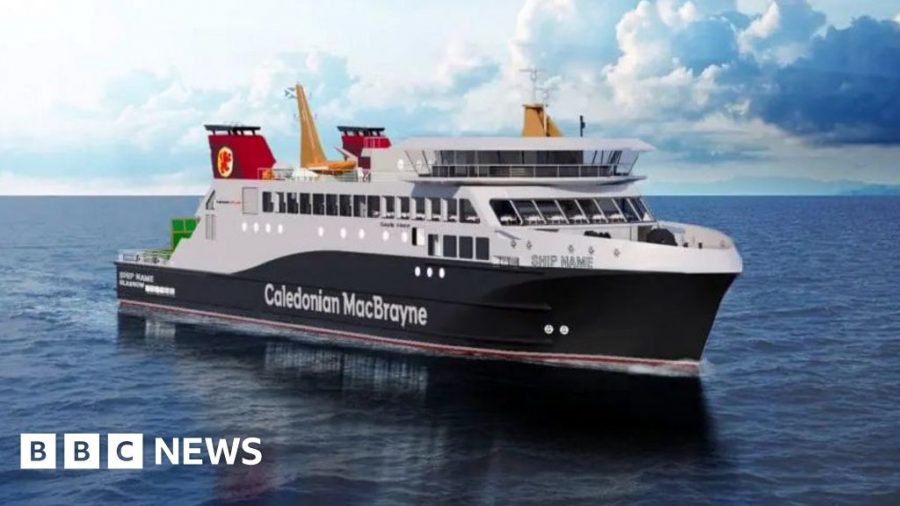
A controversy is brewing in the Scottish shipbuilding industry after Ferguson Marine, a state-owned shipyard, was barred from bidding for a contract to build a new ferry to replace the MV Lord of the Isles. The shipyard, which has been at the center of a major redevelopment effort, claims that it was unable to submit a bid due to strict eligibility criteria set by the procurement process.
Background
Ferguson Marine has a long history of building ships in Scotland, and its shipyard in Port Glasgow has been the site of many notable vessels over the years. However, the company has faced significant challenges in recent years, including financial difficulties and delays in completing projects. Despite these challenges, the Scottish government has invested heavily in the shipyard, with the goal of revitalizing the country’s shipbuilding industry.
Eligibility Criteria
According to Ferguson Marine, the eligibility criteria for the bidding process were too stringent, making it impossible for the company to submit a bid. The criteria included requirements for experience building similar vessels, as well as financial and technical capabilities. While Ferguson Marine has experience building ferries, the company’s recent financial difficulties and delays in completing projects may have raised concerns about its ability to meet the eligibility criteria.
Implications
The decision to bar Ferguson Marine from bidding for the contract has significant implications for the Scottish shipbuilding industry. The industry has been struggling in recent years, with many shipyards closing or downsizing due to a lack of contracts. The loss of this contract could be a major blow to Ferguson Marine and the surrounding community, and could potentially lead to further job losses and economic decline.
Possible Consequences
The possible consequences of this decision are far-reaching and could have a significant impact on the Scottish economy. Some of the possible consequences include:
- Job Losses: The loss of the contract could lead to further job losses at Ferguson Marine, which could have a devastating impact on the local community.
- Economic Decline: The decline of the shipbuilding industry could lead to economic decline in the surrounding area, as local businesses that rely on the shipyard may struggle to stay afloat.
- Lack of Investment: The decision to bar Ferguson Marine from bidding for the contract could discourage investment in the Scottish shipbuilding industry, making it harder for the industry to recover and grow.
Conclusion
In conclusion, the decision to bar Ferguson Marine from bidding for the contract to build a new ferry is a significant blow to the Scottish shipbuilding industry. The eligibility criteria set by the procurement process were too stringent, making it impossible for the company to submit a bid. The implications of this decision are far-reaching and could have a significant impact on the Scottish economy. It remains to be seen how the Scottish government will respond to this situation and what steps will be taken to support the shipbuilding industry.