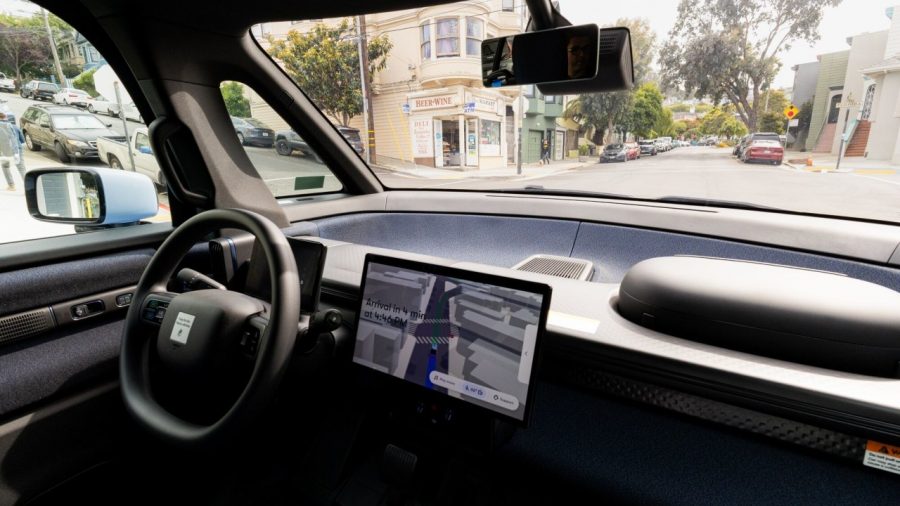
The Cure for a Lonely Drive
In a world increasingly dominated by technology, the rise of autonomous vehicles promises convenience and efficiency. Yet, as I ponder the implications of ridesharing services like Waymo, I find myself questioning whether these innovations truly enhance our lives or merely deepen our solitude.
The Allure of Autonomy
Waymo, a pioneer in self-driving technology, has captured public imagination with its vision of a future where cars navigate the roads without human intervention. With the ability to summon a ride at the touch of a button, the convenience is undeniable. However, this convenience comes at a cost—one that often goes unnoticed in our fast-paced society.
The Essence of Human Connection
When I reflect on the times I’ve hailed a traditional taxi or rideshare, I recall the fleeting but genuine connections formed during the journey. The shared stories, the laughter, and even the occasional silence create a tapestry of human interaction that enriches our daily lives. In contrast, the sterile experience of a driverless ride can feel isolating, stripping away the social nuances that define our interactions.
Loneliness in the Age of Technology
According to recent studies, loneliness is becoming an epidemic, exacerbated by our reliance on technology for communication and transportation. The same devices that connect us across vast distances can simultaneously leave us feeling isolated in our immediate surroundings. When we opt for an autonomous ride, we forfeit not only the opportunity for conversation but also the shared experience of travel.
Rethinking Our Choices
As we embrace the future of transportation, it’s essential to reconsider how we define convenience. Is it truly convenient to travel in a vehicle devoid of human connection? Or does this convenience come with the hidden cost of loneliness? The answer may lie in a balance between innovation and the timeless value of human interaction.
Strategies for Staying Connected
To combat the loneliness that can arise from our increasingly automated lives, consider the following strategies:
- Engage with Drivers: Opt for traditional ridesharing services that allow for human interaction. Use these rides as opportunities to learn about different perspectives and share your own.
- Utilize Community Transport: Look for local carpooling options or community shuttles that foster a sense of belonging and interaction among passengers.
- Make Conversations a Priority: Even in automated vehicles, take the initiative to reach out to fellow passengers or the driver, if possible. A simple greeting can spark a meaningful exchange.
- Reflect on Your Travel Choices: Before summoning a rideshare, consider whether the journey could be an opportunity for social interaction. Sometimes, walking or biking can lead to unexpected encounters.
Conclusion
As we stand at the intersection of technology and human connection, it is crucial to remain vigilant about the impact of our choices. While autonomous vehicles like Waymo promise to revolutionize transportation, we must not lose sight of the importance of human interaction. In a world that often feels disconnected, let us seek out the moments that remind us of our shared humanity, even on the road.