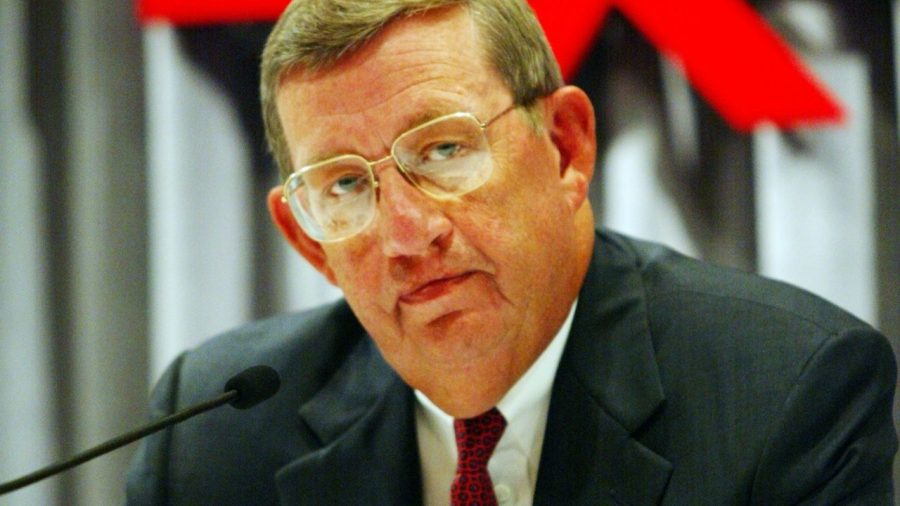
Former Exxon CEO Lee Raymond Dies at 87
The world of energy and corporate leadership mourns the loss of Lee Raymond, the former CEO of ExxonMobil, who passed away at the age of 87. Raymond, a towering figure in the oil industry, not only transformed Exxon into one of the largest and most profitable companies in the world but also left an indelible mark on corporate America.
A Visionary Leader in the Energy Sector
Lee Raymond took the helm at Exxon in 1999 and led the company until his retirement in 2005. Under his leadership, ExxonMobil not only became the largest publicly traded oil and gas company but also reached record profits that set benchmarks in corporate history. His tenure was characterized by a relentless drive for efficiency, innovation, and a commitment to shareholder value.
Transforming Exxon into a Global Giant
When Raymond joined Exxon in 1963, the company was already a significant player in the oil industry. However, it was during his leadership that ExxonMobil achieved unprecedented growth. By focusing on strategic mergers and acquisitions, Raymond engineered the merger between Exxon and Mobil in 1999, a pivotal moment that created a colossus in the energy sector.
- Record Profits: Under Raymond’s stewardship, ExxonMobil consistently reported record profits, peaking at over $40 billion in 2005.
- Global Expansion: Raymond emphasized global exploration and production, leading to significant discoveries in places like the deepwater Gulf of Mexico and offshore West Africa.
- Technological Innovation: He championed advancements in technology that enhanced oil recovery and refined processes, ensuring ExxonMobil maintained its competitive edge.
Controversies and Challenges
Despite his successes, Raymond’s tenure was not without challenges. The oil and gas industry faced intense scrutiny over environmental concerns and climate change. Critics often pointed to Raymond’s steadfast defense of fossil fuels in the face of mounting evidence regarding their environmental impact. His responses to these challenges were often seen as emblematic of the industry’s reluctance to shift towards renewable energy sources.
A Polarizing Figure
Raymond’s approach to business and his public persona made him a polarizing figure. Advocates praised his business acumen and ability to navigate complex global markets, while detractors criticized his methods and the industry’s impact on climate change. Nevertheless, Raymond remained a key player in discussions about energy policy and corporate responsibility throughout his career.
Legacy and Influence
Raymond’s influence extended beyond the walls of ExxonMobil. He served on various boards, including the National Petroleum Council and the American Petroleum Institute, shaping the future of the energy sector. His legacy is a testament to the power of corporate leadership in driving economic growth, even amidst global challenges.
Reflection on His Life
As the oil industry faces a transformative period with the rise of renewable energy, Raymond’s legacy will be examined through the lens of both his successes in the fossil fuel arena and the challenges of modern energy policy. His life story serves as a reminder of the complexities inherent in energy production and corporate responsibility.
Lee Raymond is survived by his family and a legacy that will continue to spark discussion and debate about the future of energy in a world increasingly focused on sustainability.