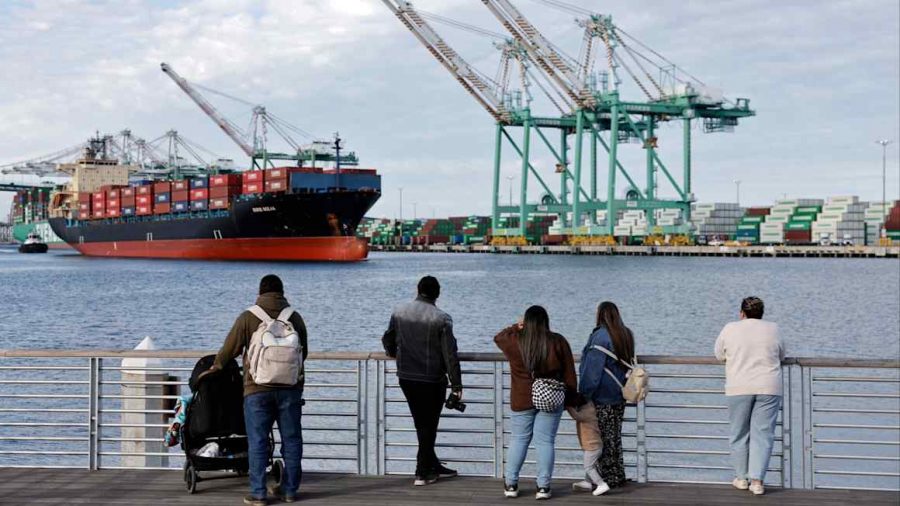
Freight Shipping Costs Surge Amid Fears of New Trump Tariffs
As the U.S. government prepares to implement new tariffs on imports, freight shipping costs have surged to their highest levels since the 2024 Red Sea crisis. Companies across various industries are racing to adjust their supply chains and ship products ahead of potential price increases, leading to a significant spike in shipping rates.
The Rise in Shipping Costs
In recent weeks, freight rates have climbed dramatically, causing concern among businesses that rely on international shipping. Rates have surpassed levels seen during previous crises, with analysts predicting that the trend will continue as the tariffs loom on the horizon.
Impact on Businesses
Many companies are feeling the pinch as they attempt to navigate the uncertain landscape of international trade. The anticipated tariffs, which are expected to target a wide range of goods, could add substantial costs to supply chains already strained by the ongoing effects of the pandemic and global economic instability.
Strategies for Mitigation
In response to the rising costs, businesses are exploring various strategies to mitigate the impact. Here are some common tactics being employed:
- Increased Inventory: Companies are stockpiling goods to avoid future price hikes, leading to higher demand for shipping services.
- Alternative Shipping Routes: Businesses are seeking alternative shipping routes that may be less affected by the impending tariffs.
- Local Sourcing: Some firms are considering moving production closer to home to reduce dependence on international shipping.
- Negotiating Contracts: Companies are renegotiating contracts with freight providers to lock in rates before the tariffs take effect.
Market Reactions
The freight shipping industry has reacted swiftly to the anticipated changes. Major shipping lines have reported increased demand for their services, resulting in limited capacity and rising prices. This trend is expected to continue as companies scramble to secure shipping slots before the tariffs are officially implemented.
Looking Ahead
Experts warn that the surge in freight costs could have broader implications for the economy. Higher shipping rates may lead to increased prices for consumers as businesses pass on the costs of tariffs and logistics to their customers. This potential inflationary pressure could further complicate the economic recovery as the nation grapples with other ongoing financial challenges.
Conclusion
As the deadline for the new tariffs approaches, companies must remain agile and responsive to the changing landscape of international trade. The surge in freight shipping costs serves as a critical reminder of the interconnectedness of global markets and the challenges that businesses face in an ever-evolving economic environment.