French Bakeries Gain May Day Exemption Amid Unions’ Opposition
In a bold move that has sparked debate across the nation, French Prime Minister Sébastien Lecornu visited a village bakery on Friday, publicly endorsing a new bill that permits bakeries and florists to open on May Day. This holiday, traditionally reserved for honoring French workers, has seen a proposal that could reshape the landscape of labor rights in the country.
The Bill Explained
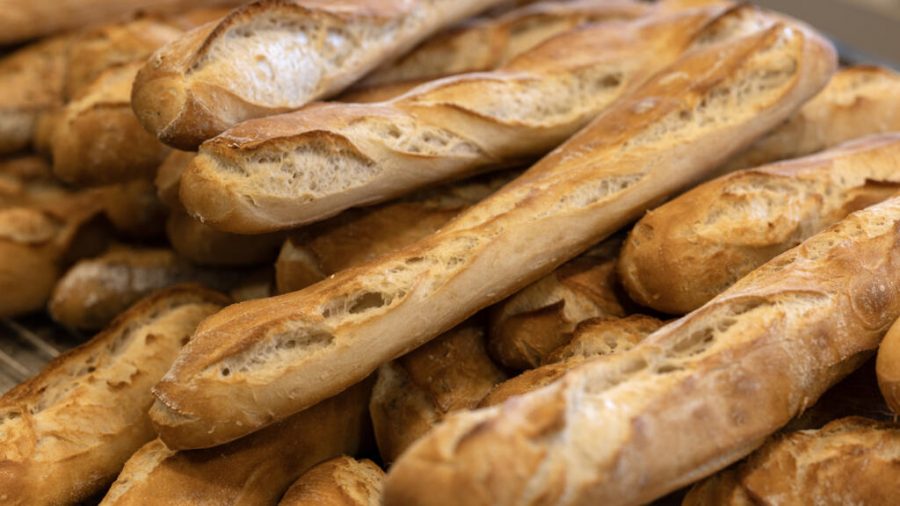
The proposed legislation allows bakeries and florists to operate on May Day, provided that employees volunteer to work in writing and receive double wages for their efforts. Lecornu’s visit to the bakery, where he ordered several baguettes, was a symbolic gesture aimed at showcasing government support for this measure, marking a significant shift in how public holidays are approached in France.
Historical Significance of May Day
May Day, or International Workers’ Day, has long been a cornerstone of labor rights in France. The holiday is steeped in history, commemorating the struggles and achievements of workers. It is a day when many French citizens take to the streets to promote labor rights and social justice. The proposed bill has reignited discussions about the balance between business needs and workers’ rights.
Support from Bakeries and Florists
Bakeries and florists are among the most affected sectors by the restrictions placed on operating during May Day. Supporters of the bill argue that allowing these establishments to open could provide a much-needed boost to local economies, especially in rural areas where bakeries serve as community hubs. Many bakery owners welcome the opportunity to serve their customers, citing the importance of bread and flowers in French culture.
Opposition from Trade Unions
However, the bill faces staunch opposition from the country’s main trade unions, which argue that allowing businesses to operate on such a significant holiday undermines the very essence of workers’ rights. Unions contend that the measure could pressure workers into volunteering for shifts, fearing retaliation or job insecurity if they choose not to work on a public holiday. They emphasize the need for maintaining May Day as a day of rest and reflection for workers.
Public Reaction
The public reaction to the bill has been mixed. Some citizens express support for the idea of having access to bakeries and florists on May Day, valuing convenience and the ability to celebrate with traditional foods and flowers. Others, particularly those aligned with labor movements, see it as an affront to hard-won labor rights, advocating for a continued observance of the holiday where workers can rest and reflect on their rights.
The Broader Implications
This legislative initiative raises broader questions about the future of work-life balance in France. As the economy evolves and consumer demands shift, the government is grappling with how to accommodate businesses while still protecting workers’ rights. Critics worry that this could set a precedent for further erosion of labor protections in the name of economic growth.
Conclusion
As the debate unfolds, the fate of the bill remains uncertain. The government will likely continue to navigate the complex landscape of labor rights and economic needs, making it essential for all stakeholders—workers, businesses, and the government—to engage in meaningful dialogue. The outcome will not only influence bakeries and florists but could also set the tone for labor relations in France for years to come.