After successfully navigating a €3 billion bailout program from the International Monetary Fund (IMF), Ghana is looking to restore investor confidence and rebuild its economy. The West African nation, which faced its worst economic crisis in decades due to the pandemic, the global ripple effects of Russia’s invasion of Ukraine, and soaring inflation, is now positioning itself as a viable destination for foreign investments.
A Challenging Three-Year Journey
Ghana’s economic challenges began to spiral in 2020 when the COVID-19 pandemic disrupted global supply chains and dampened economic activity. The situation was exacerbated by the geopolitical tensions stemming from Russia’s assault on Ukraine, which sent energy and food prices soaring worldwide. These external shocks left Ghana’s economy teetering on the brink of collapse, with skyrocketing inflation rates and a rapidly depreciating currency.
In response, the government sought assistance from the IMF, resulting in a €3 billion relief package designed to stabilize the country’s finances. Over the past three years, Ghana implemented strict fiscal policies under IMF guidance, focusing on reducing debt, curbing inflation, and restoring macroeconomic stability. Despite the hardships, the bailout program has provided the country with a more stable financial platform to build upon.
Voices from the Ground
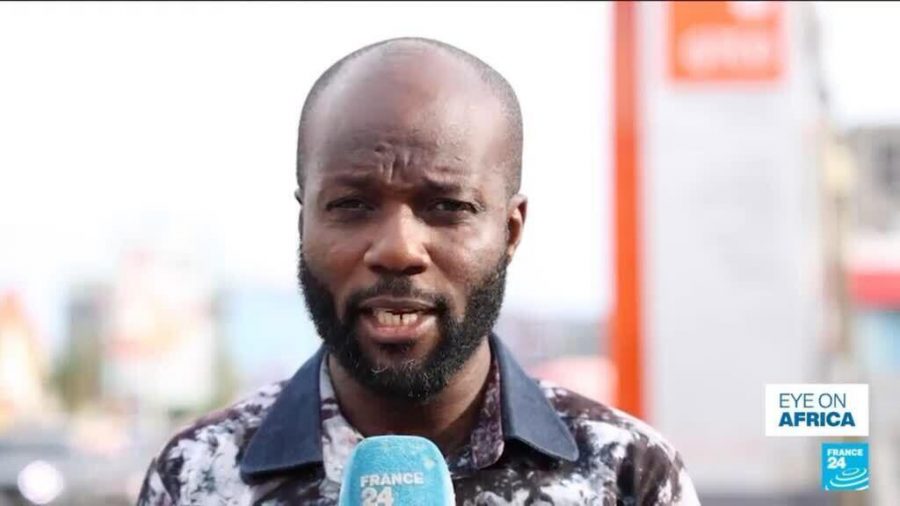
FRANCE 24’s Justice Baidoo recently visited Ghana to gauge public sentiment about the bailout’s conclusion and the nation’s economic future. Many Ghanaians expressed cautious optimism, acknowledging the painful sacrifices they had to make while holding onto hope for a brighter tomorrow. “It hasn’t been easy,” said one local shopkeeper in Accra. “Prices went up, and business slowed down, but we had no choice but to adapt.”
Others emphasized the need for the government to create an environment conducive to business and investment. “The IMF bailout gave us some breathing room, but we need long-term solutions,” noted a young entrepreneur. “We need policies that support small businesses and attract international investors.”
Attracting Investment in a Post-Bailout Economy
With the bailout behind it, Ghana is focusing on measures to entice foreign direct investment (FDI) and stimulate economic growth. The government has outlined plans to enhance infrastructure, improve business regulations, and expand key sectors such as agriculture, manufacturing, and energy. Additionally, officials are ramping up efforts to combat corruption and ensure fiscal discipline to reassure potential investors.
Investors will be watching closely to see if Ghana can maintain the financial discipline achieved during the IMF program. Economic experts emphasize that while the bailout has helped stabilize the economy, sustained growth will depend on structural reforms, diversification of the economy, and prudent management of public resources.
The Road Ahead
Ghana’s path forward is not without challenges. The global economic climate remains uncertain, and the country will need to navigate potential headwinds such as fluctuating commodity prices and high debt levels. However, the government’s commitment to creating a robust economic environment and the resilience of the Ghanaian people offer a glimmer of hope.
For now, Ghana is positioning itself as a nation ready to move beyond crisis recovery and embrace a future of economic opportunity. As the country opens its doors to investors, all eyes will be on how it leverages this critical juncture to secure long-term prosperity.