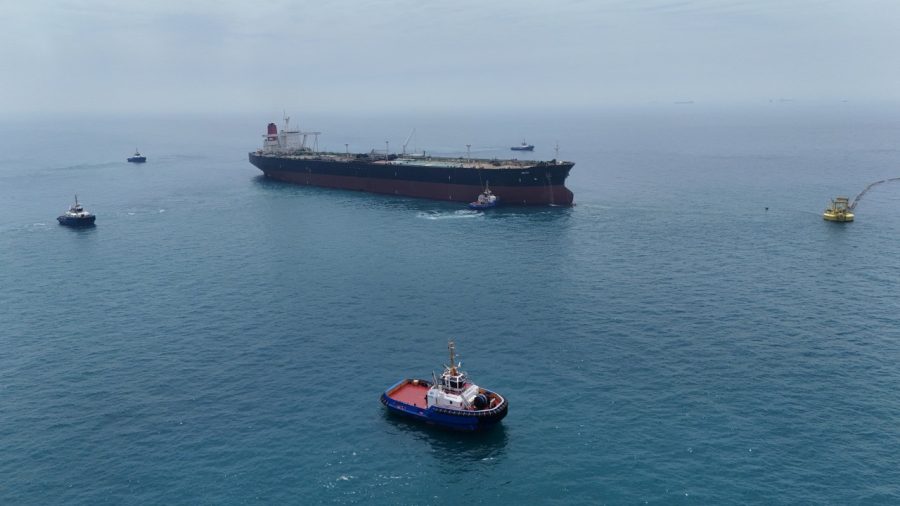
Global Oil Demand Faces Significant Drop
The International Energy Agency (IEA) has projected a sharp decline in global oil demand, primarily due to recent disruptions in the Gulf region. These disruptions have raised concerns about the stability of oil supplies and the potential for significant fluctuations in the global energy market.
Impact of Gulf Region Disruptions
In recent weeks, geopolitical tensions in the Gulf have created uncertainty in oil supply lines, particularly through the critical Strait of Hormuz, which is responsible for a substantial portion of the world’s oil shipments. The IEA warns that while demand is set to plummet initially, a recovery is on the horizon, albeit one that will take time to materialize.
Projected Oil Supply Recovery
According to the IEA’s analysis, oil supply is anticipated to rebound significantly, with projections indicating an increase to approximately 8 million barrels per day by the year 2027. This recovery is expected to unfold gradually as the situation in the Gulf stabilizes and supply chains are restored.
Factors Influencing Recovery Timeline
Several factors will influence the timeline for recovery in the oil market. These include:
- Geopolitical Stability: Ongoing tensions in the Gulf region will continue to affect supply levels. A sustained effort towards diplomatic resolutions will be crucial.
- Global Economic Conditions: A potential slowdown in global economic growth could dampen oil demand, leading to a slower recovery.
- Technological Innovations: Advances in extraction and production technologies may enhance supply levels quicker than anticipated.
- OPEC Decisions: The Organization of the Petroleum Exporting Countries (OPEC) plays a significant role in regulating oil supply. Their production decisions will heavily impact the speed of recovery.
Market Reactions and Investor Sentiment
The uncertainty in oil supply has already begun to affect market reactions, with oil prices experiencing volatility. Investors are closely monitoring developments in the Gulf region, and many are adopting a cautious approach as they navigate the complexities of the current energy landscape.
Long-Term Outlook for Oil Industry
The IEA’s long-term forecast suggests that while the immediate future may appear bleak, the oil industry has the resilience to bounce back. As global economies adapt to changing circumstances and new energy policies emerge, the market is likely to stabilize, paving the way for sustained growth in the coming years.
In conclusion, while the Gulf disruptions have introduced significant challenges to the global oil supply, the IEA’s projections provide a glimmer of hope for recovery. Stakeholders across the industry will need to remain vigilant and adaptable to navigate the evolving landscape effectively.