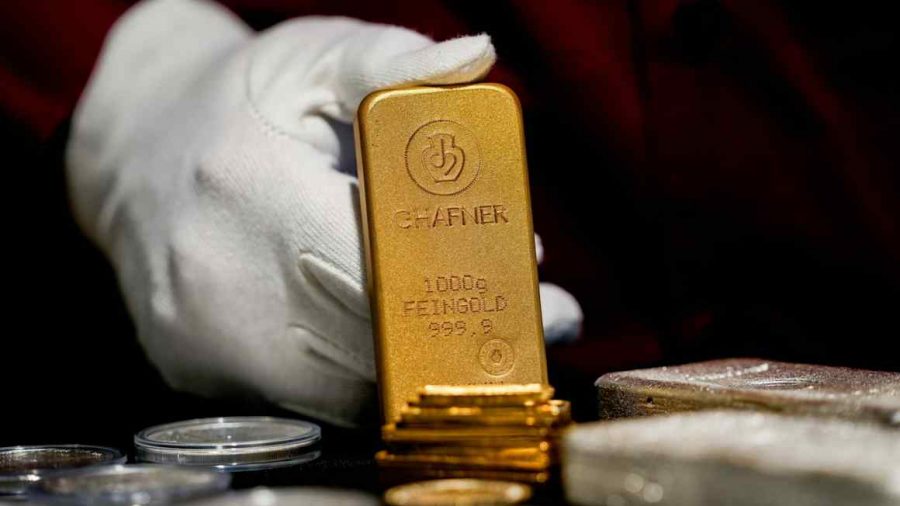
Gold’s Turbulent Journey: A Record Rally Comes to a Sudden Halt
Gold has long been considered a safe haven for investors during times of economic uncertainty. However, recent trends indicate that the precious metal is heading for its worst quarterly performance in more than a decade. This dramatic turn of events is primarily fueled by rising expectations of higher interest rates, as geopolitical tensions, particularly the ongoing conflict in Iran, continue to shape market dynamics.
The End of a Bullion Boom
In the past few years, gold has experienced an unprecedented rally. Investors flocked to the asset as a hedge against inflation and global instability, driving prices to record highs. Yet, as the retail frenzy subsides, the momentum that propelled gold prices upward appears to be fading. Analysts are now forecasting a significant downturn, marking a stark contrast to the previous bullish sentiment.
Interest Rates on the Rise
One of the primary factors contributing to gold’s decline is the anticipated increase in interest rates. Central banks around the world, particularly the U.S. Federal Reserve, have signaled a more aggressive approach to monetary policy in response to rising inflation concerns. Higher interest rates typically lead to a stronger dollar, making gold more expensive for holders of other currencies. This shift has resulted in decreased demand for bullion, particularly among retail investors who were once eager to buy into the gold market.
Geopolitical Tensions and Their Impact
The conflict in Iran has further complicated the situation. While geopolitical tensions often drive investors toward gold as a safe haven, the current dynamics have been different. The war, coupled with expectations of a more hawkish stance from central banks, has created a complex environment for gold prices. Although some investors may still see gold as a protective asset, the allure appears to be waning as other investment opportunities emerge.
Market Reactions and Future Projections
As gold prices continue to fall, market reactions have been mixed. Some analysts argue that the decline may be temporary, predicting a rebound as investors reassess their portfolios in light of ongoing geopolitical uncertainties. Others, however, believe that the shift in monetary policy could signify a longer-term trend away from gold as an investment.
- Investor Sentiment: Many retail investors who previously drove gold prices higher are now retreating from the market, leading to a further decline in demand.
- Alternative Investments: With rising interest rates, many investors are exploring other asset classes that may offer better returns, such as stocks and bonds.
- Global Economic Factors: The interplay between inflation, interest rates, and geopolitical tensions will continue to influence gold prices in the coming months.
Conclusion: The Path Ahead for Gold
As gold heads toward what could be its worst quarterly performance in over a decade, investors are left to grapple with the implications of a changing economic landscape. While the allure of gold as a safe haven remains, the factors driving its recent decline cannot be ignored. Moving forward, the precious metal’s fate will largely depend on the decisions made by central banks and the unfolding of geopolitical events. For now, the golden age of bullion appears to be on hold, leaving many to wonder what the future holds for this timeless asset.