Google’s AI-Powered Future: A Delicate Balance of Trust and Data
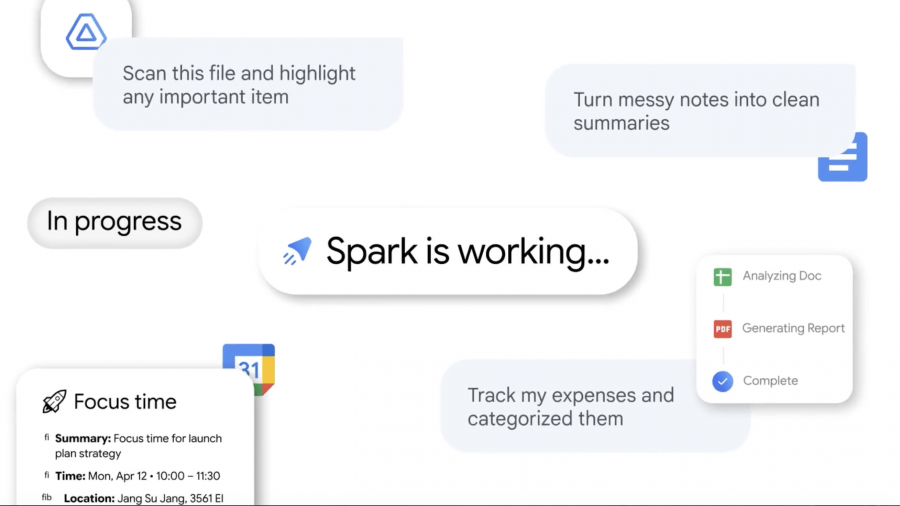
Google has unveiled its vision for an AI-driven future, one that promises to make our lives easier and more convenient. At the recent I/O 2026 conference, the tech giant showcased a range of innovative tools, including Gemini Spark, an always-on AI agent, and Daily Brief, a personalized daily rundown. However, beneath the surface of these cutting-edge features lies a complex web of personal data, sparking concerns about trust and privacy.
The Promise of AI-Powered Tools
Google’s new tools are undoubtedly impressive, with the potential to revolutionize the way we manage our daily lives. Gemini Spark, for instance, can help organize upcoming events, while Daily Brief offers a tailored summary of what to expect during the day. Moreover, Google is expanding access to its AI-powered Gmail inbox, which can generate custom to-do lists and draft personalized replies based on our emails.
The Data-Driven Engine
However, the engine driving these features is fueled by a vast trove of personal information. Google’s AI algorithms rely on our data to learn and improve, raising important questions about trust and privacy. As we increasingly rely on these AI-powered tools, we must consider the potential risks and consequences of sharing our personal data with Google.
Trust and Transparency
Google recognizes the importance of trust in its AI-powered future, emphasizing the need for transparency and accountability. The company has pledged to provide users with greater control over their data, allowing them to opt-out of certain features and review their personal information. Nevertheless, the onus remains on Google to demonstrate its commitment to protecting user data and maintaining the highest standards of privacy.
Comparing Approaches
Google is not alone in the AI landscape, with other companies also developing AI-powered tools. Some of these companies are taking a more cautious approach, prioritizing user privacy and data protection from the outset. For example, some AI startups are focusing on developing tools that can operate on-device, without the need for cloud-based data storage. In contrast, Google’s approach relies heavily on cloud-based processing, which may raise additional concerns about data security.
- Pros of Google’s approach:
- Scalability and flexibility, allowing for more complex AI models
- Access to vast amounts of data, enabling more accurate predictions and insights
- Potential for seamless integration across Google’s ecosystem of services
- Cons of Google’s approach:
- Potential risks to user data, including unauthorized access or misuse
- Dependence on cloud-based infrastructure, which may be vulnerable to outages or attacks
- Lack of transparency and control for users, who may be unsure how their data is being used
Conclusion
Google’s AI-powered future holds tremendous promise, but it also demands a high level of trust from users. As we navigate this new landscape, it is essential to consider the trade-offs between convenience and privacy. By prioritizing transparency, accountability, and user control, Google can build trust and demonstrate its commitment to protecting our personal data.