The Climate Crisis: A Local Perspective
In South Africa, climate change is not a distant forecast, but a harsh reality that millions are grappling with daily. From the drought-stricken farms of the eastern Free State to the flood-ravaged towns of KwaZulu-Natal, the impacts of climate change are felt acutely. While global discussions focus on long-term emission targets and future temperature thresholds, local communities are facing immediate challenges that threaten their water supply, food security, and livelihoods.
The Reality of Water Scarcity
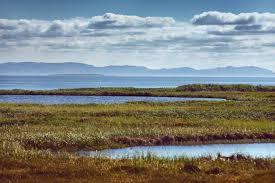
Consider the farmer in the eastern Free State, watching helplessly as a wetland that once provided vital water resources shrinks to almost nothing by late August. This narrative is echoed across the nation, where towns have rationed water for years and cities like Cape Town have narrowly escaped catastrophic municipal supply shutdowns. In the wake of devastating floods that claimed over 400 lives in 2022, it has become painfully clear that the climate crisis is here, and it demands urgent attention.
Shifting the Focus: From Emission Cuts to Adaptation
For the past two decades, South Africa’s climate efforts have heavily prioritized reducing greenhouse gas emissions. While this work is undeniably important and necessary, it often overlooks the pressing need for adaptation strategies that help communities cope with the immediate impacts of climate change. As we stand on the precipice of a climate emergency, we must recalibrate our focus. Instead of merely discussing how to slow climate change, we must also explore how to sustain our communities as conditions continue to evolve.
The Hidden Value of Natural Ecosystems
One of the most undervalued resources in South Africa is its natural landscapes. Approximately half of the country’s surface water is derived from less than ten percent of its land, primarily the high-rainfall grasslands and mountain catchments that nourish our major rivers. These ecosystems are not merely barren spaces waiting to be developed; they are vital infrastructure that performs essential functions for water management and climate resilience.
- Wetlands: Healthy wetlands play a crucial role in managing floodwaters, storing them during wet periods, and releasing them during dry spells. They also filter out pollutants, ensuring cleaner water downstream.
- Grasslands: Intact grasslands facilitate water absorption into the soil, preventing erosion and promoting moisture retention, which is critical during droughts.
Despite their importance, these natural systems often do not appear on municipal balance sheets, leading to a significant oversight in how we address climate adaptation. Investing in the restoration and protection of these ecosystems can yield incredible dividends for both the environment and the communities that rely on them.
Community-Centric Approaches to Climate Adaptation
At the Endangered Wildlife Trust, where I work, our focus is on restoring these vital ecosystems and implementing sustainable practices that benefit both the environment and local communities. Our projects demonstrate that the health of a wetland or grassland is intrinsically linked to the water security of the people who depend on it. When we restore wetlands in catchments that support downstream communities, the impact transcends the immediate project; it ensures water availability for countless families.
Similarly, by collaborating with farmers on both communal and commercial land to manage grazing practices, we can rehabilitate the veld, enabling it to recover rather than erode. The resulting benefits manifest as healthier soils, better livestock survival rates during droughts, and, ultimately, the preservation of family livelihoods.
Conclusion: The Path Forward
In light of the climate challenges we face, it is imperative that we shift our approach from one focused solely on mitigation to a more balanced strategy that incorporates adaptation. By recognizing the value of our natural ecosystems and investing in their restoration, we can create a resilient future for South Africa—one where communities are empowered to thrive despite the shifting climate beneath them.