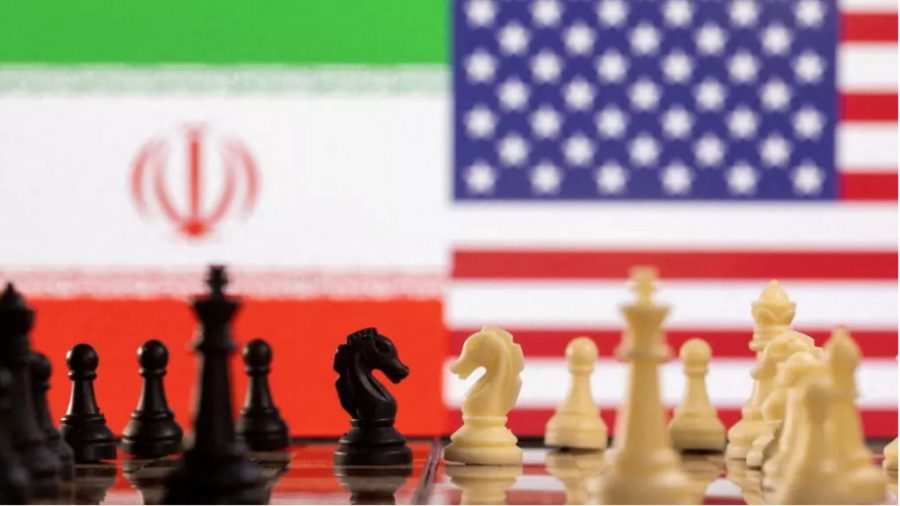
Tehran and Washington Reach Groundbreaking Agreement Amid Ongoing Tensions
In a surprising turn of events, President Donald Trump and Iranian President Masoud Pezeshkian signed an interim peace deal on Wednesday, aiming to end the long-standing US-Israeli conflict against Iran. This agreement marks a significant step towards de-escalating tensions that have plagued the region for years.
Details of the Interim Deal
The newly signed agreement allows for a 60-day negotiation window during which both nations will work towards a comprehensive and lasting peace agreement. The centerpiece of this interim deal includes a commitment from Tehran to dilute its enriched uranium stocks. In return, the United States will provide substantial sanctions relief, along with a remarkable $300 billion reconstruction fund aimed at revitalizing the Iranian economy.
The Background of Tensions
The US-Israeli conflict with Iran has deep historical roots, marked by a series of confrontations and geopolitical maneuvers. Over the past few years, tensions have escalated dramatically, leading to military engagements and a series of punitive sanctions imposed on Iran. The recent diplomatic breakthrough signals a shift in the approach of both nations, highlighting a willingness to negotiate rather than confront.
The Economic Implications
The proposed $300 billion reconstruction fund is expected to have far-reaching economic implications for Iran. This influx of capital could facilitate critical infrastructure projects, create jobs, and stabilize the Iranian economy, which has suffered under the weight of international sanctions. However, analysts suggest that the success of the reconstruction efforts will heavily depend on the establishment of a stable and enduring peace.
- Opportunity for Diplomatic Relations: The interim deal opens the door for improved diplomatic relations between Iran and the United States, potentially paving the way for future collaborations on various global issues.
- Regional Stability: A successful negotiation could also enhance stability in the Middle East, reducing the risk of further military confrontations.
- International Response: The global community has responded cautiously to the news, with various countries expressing hope for lasting peace while remaining skeptical about the feasibility of the agreement.
Challenges Ahead
Despite the promising nature of the interim deal, significant challenges remain. Both governments face internal pressures, and skepticism exists regarding the ability to reach a final agreement within the 60-day timeframe. Moreover, hardline factions within both countries may resist concessions, complicating the negotiation process.
Looking Forward
As the world watches closely, the next two months will be crucial for both Tehran and Washington. The interim deal not only serves as a potential turning point in US-Iran relations but also symbolizes a broader hope for peace in a region that has seen too much conflict. Whether this agreement can lead to a sustainable resolution remains to be seen, but for now, it represents a significant step towards diplomacy and dialogue.