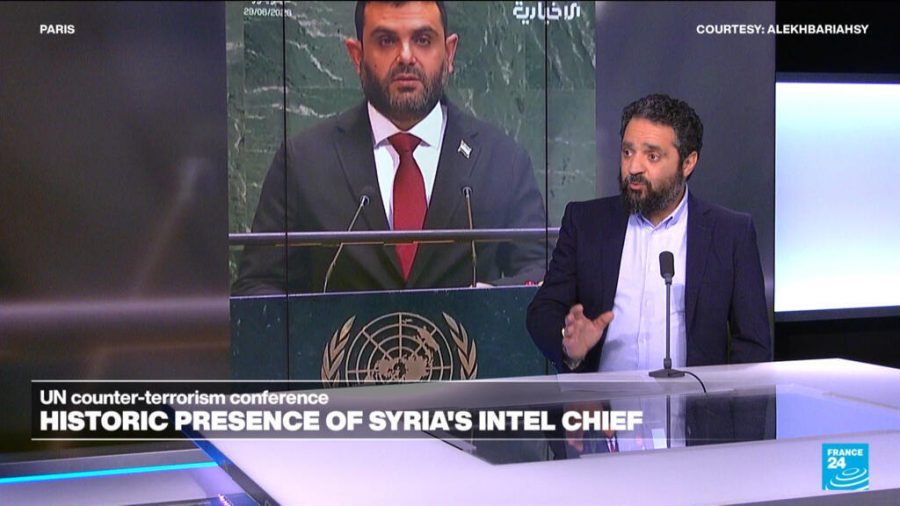
Historic Visit: Syrian Intelligence Chief Attends UN Counter-Terrorism Conference
This week marks a significant milestone in international relations as the head of Syria’s intelligence agency participates in a counter-terrorism conference at the United Nations in New York. This unprecedented visit underscores a dramatic shift for a nation that was once a breeding ground for extremism.
A Turning Point for Syria
The presence of General Ali Mamlouk, Syria’s intelligence chief, at the UN signifies a thawing of diplomatic tensions between Syria and the international community, particularly in the realm of counter-terrorism efforts. Historically, Syria has been viewed with suspicion, especially following its involvement in various conflicts and its designation as a state sponsor of terrorism. However, the current global landscape necessitates new alliances and strategies in the fight against terrorism, particularly in the wake of the rise of groups like ISIS and Al-Qaeda.
Context of the Conference
The UN conference is aimed at fostering cooperation among nations to combat the persistent threat of terrorism. With the shifting dynamics in the Middle East, the inclusion of Syria’s intelligence chief hints at a pragmatic approach to regional security. Attendees will discuss strategies to prevent the resurgence of extremist groups that have exploited the chaos of the Syrian civil war and the broader geopolitical instability.
The Shift in Perception
For years, Syrian President Bashar al-Assad’s regime has faced international condemnation for its brutal tactics in quelling dissent and its alleged human rights violations. However, the changing narrative surrounding terrorism has prompted a reassessment of Syria’s role in the region. Experts argue that engaging with Syrian officials may be necessary to enhance intelligence-sharing and improve coordination in counter-terrorism operations.
Challenges Ahead
Despite the potential for collaboration, the road ahead is fraught with challenges. Many countries remain wary of Syria’s leadership, and there are significant concerns about the regime’s commitment to genuine reform and human rights. The legacy of the Assad government’s actions during the civil war continues to cast a long shadow over any diplomatic overtures.
- International Skepticism: Many nations are skeptical about the legitimacy of the Syrian regime and its intentions.
- Human Rights Concerns: Ongoing human rights abuses in Syria remain a critical issue for many Western nations.
- Need for Cooperation: Despite concerns, the need for a united front against terrorism may push countries to engage with Syria.
Regional Implications
The implications of this conference extend beyond Syria. Neighboring countries like Iraq and Lebanon have also faced the repercussions of extremist violence, and a more cooperative approach to counter-terrorism could lead to stability in the region. The presence of Syrian intelligence at the UN conference may pave the way for renewed dialogue and collaboration among Middle Eastern nations.
Conclusion
As the world grapples with the complexities of terrorism, the participation of Syria’s intelligence chief in this UN conference represents a historic moment that could redefine alliances and strategies in the fight against extremism. While challenges remain, this engagement may offer a glimmer of hope for a more coordinated international response to one of the most pressing issues of our time.