Introduction
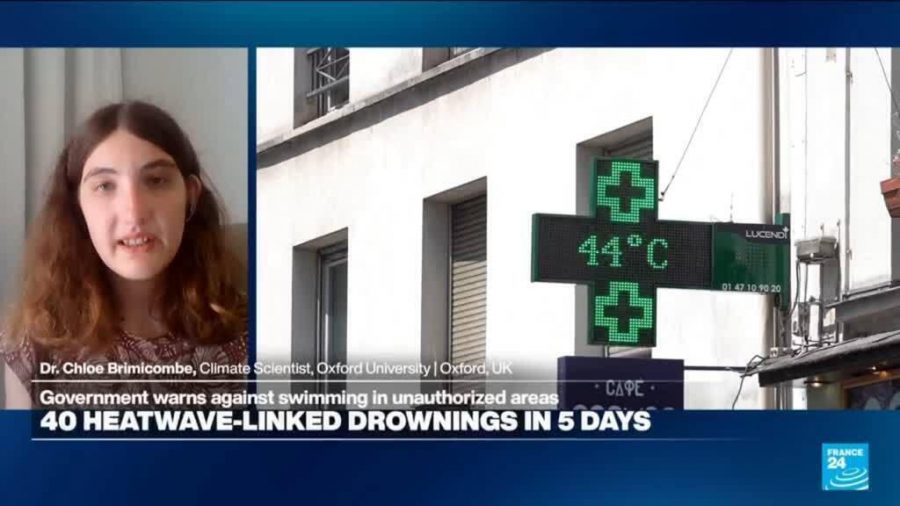
As Europe grapples with an unprecedented heatwave, experts are urging a dual approach to climate change: decarbonization and adaptation. Dr. Chloe Brimacombe’s analysis highlights the urgent need for action as the continent faces rising temperatures that are not only extreme but also symptomatic of a larger, more troubling trend.
The Meteorological Landscape
The current heatwave gripping France is not isolated; it represents a convergence of multiple alarming factors. Dr. Brimacombe notes that this year’s heatwave has arrived earlier in the season than usual, catching many off guard. Moreover, the elevated humidity levels exacerbate the health risks associated with high temperatures, creating a perfect storm of challenges for public health.
Compounding Factors
The intensity of the heatwave is alarming. Dr. Brimacombe points out that these exceptional temperatures are not just a short-term anomaly but part of a larger pattern of increasing heat events across Europe. She lists several key compounding factors:
- Early Arrival: The heatwave’s onset in early summer is unusual and indicative of shifting seasonal patterns.
- Increased Humidity: Elevated humidity levels enhance the discomfort and health risks for vulnerable populations.
- Longer Duration: Heatwaves are lasting longer than in previous decades, putting additional strain on public health and infrastructure.
- Frequent Occurrences: The frequency of heat events is rising, suggesting a new normal that societies must learn to navigate.
The Societal Stress Test
Dr. Brimacombe describes the heatwave as a stress test for societal resilience. Critical institutions such as schools, hospitals, and care homes are particularly vulnerable during extreme weather events. The current heatwave has highlighted the inadequacies in existing infrastructure to cope with such conditions, raising questions about how prepared society is to face future climate challenges.
Redesigning Infrastructure
To mitigate the impacts of ongoing and future heatwaves, Dr. Brimacombe advocates for a comprehensive redesign of public infrastructure. This involves:
- Cooling Centers: Establishing designated areas that provide relief during extreme heat events.
- Urban Planning: Integrating green spaces and reflective materials into city designs to naturally cool urban environments.
- Health Preparedness: Strengthening health services to respond effectively to heat-related illnesses.
- Public Awareness: Educating the public on heat safety and preparedness measures.
The Path Forward
While the need for immediate adaptation is clear, Dr. Brimacombe emphasizes that achieving net-zero emissions remains critical. A commitment to decarbonization can significantly reduce the intensity, duration, and frequency of heat waves in the future, providing a long-term solution to a pressing global issue.
Conclusion
As Europe faces the challenges posed by extreme heat, the insights from Dr. Brimacombe serve as a wake-up call. The dual approach of decarbonization and adaptation is not just necessary; it is imperative. Only through combined efforts can societies effectively combat the increasing threat of climate change and protect their most vulnerable populations.