As the global demand for technology continues to surge, the race for rare earth minerals has taken center stage in geopolitical conversations. America’s strategic push to become a leader in the rare earth sector could not only bolster its economy but also alter the balance of power in international relations.
The Importance of Rare Earth Elements
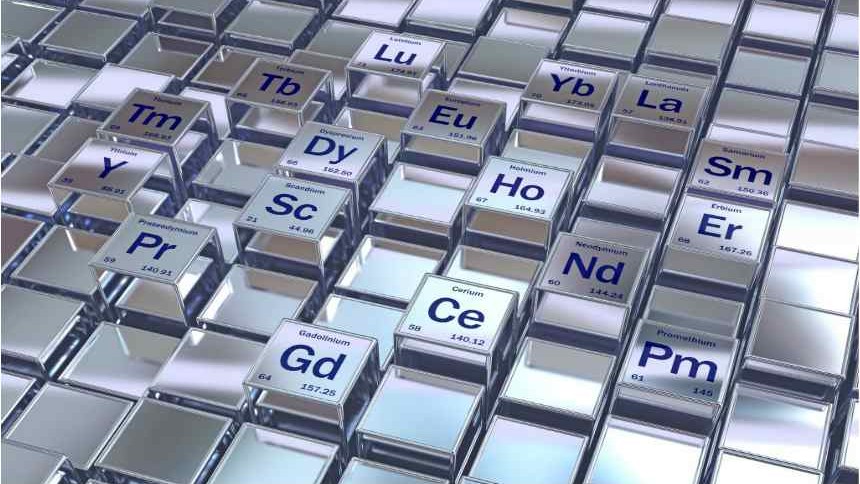
Rare earth elements (REEs) are essential for a wide range of technologies, from smartphones to electric vehicles and military defense systems. Despite their name, these elements are not particularly rare in terms of abundance; rather, they are difficult to extract and process. This complexity has led to a heavy reliance on countries like China, which currently dominates the market.
Current Global Landscape
China produces over 60% of the world’s rare earth elements, a status that has raised alarms within the United States and among its allies. The geopolitical implications of this monopoly are significant, as control over these critical minerals can influence technological advancement and national security.
America’s Strategic Awakening
In response to growing concerns over supply chain vulnerabilities, the United States is ramping up its efforts to mine and process rare earth elements domestically. The Biden administration has recognized the importance of enhancing domestic production to reduce dependency on foreign sources and improve national security.
Investment and Innovation
To facilitate this transition, the U.S. government has begun investing in rare earth projects, with funding directed towards both mining operations and research initiatives. This investment aims to not only increase production but also to innovate new technologies for more efficient extraction and processing.
Potential Economic Benefits
The revival of America’s rare earth industry could yield significant economic benefits. A robust domestic supply chain could create thousands of jobs, stimulate local economies, and position the U.S. as a competitive player in the global rare earth market. Analysts predict that a successful push for domestic production could attract private investments and foster new business opportunities.
Challenges Ahead
Despite the potential, challenges remain. Environmental concerns related to mining practices, regulatory hurdles, and the need for skilled labor are significant barriers that must be addressed. Moreover, establishing a reliable supply chain that can compete with established players like China will require time and substantial investment.
A New Strategic Powerhouse?
If the U.S. can overcome these challenges, it could emerge as a new strategic powerhouse in the rare earth sector. By fostering a self-sufficient supply chain, the U.S. would not only enhance its national security but also solidify its position on the global stage as a leader in critical technologies.
The Road Ahead
The road to becoming a rare earth powerhouse will not be easy, but the stakes have never been higher. As global competition intensifies and the demand for technology continues to rise, America’s efforts in this sector could redefine its economic landscape and reshape its geopolitical standing for decades to come.
- Key Takeaways:
- Rare earth elements are critical for technology and defense.
- The U.S. aims to reduce reliance on China through domestic production.
- Investment in rare earth projects is a priority for the Biden administration.
- Challenges include environmental concerns and competition from established markets.
As America navigates this pivotal moment, the outcomes of its rare earth strategy could have far-reaching implications, not just for the economy but also for global power dynamics.