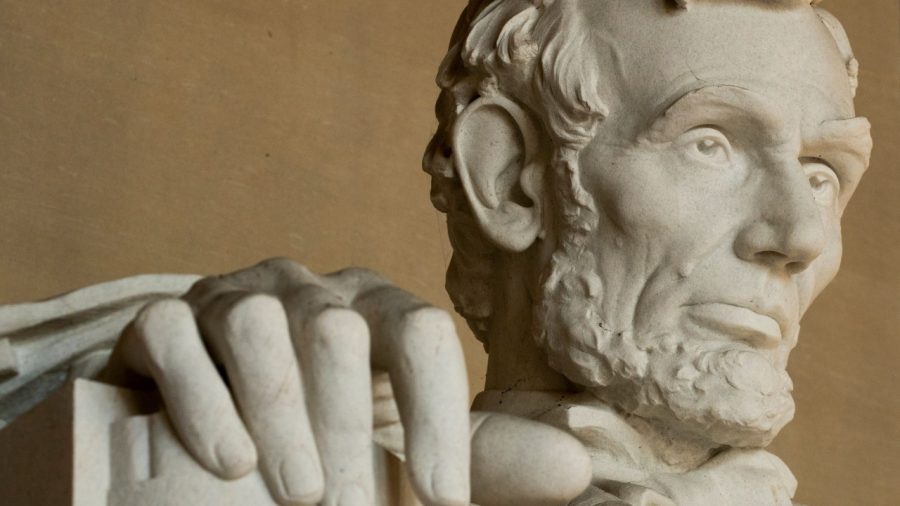
Embracing the Principles of Lincoln
In the course of American history, the principles set forth by Abraham Lincoln have been instrumental in molding the nation into a powerhouse of productivity and innovation. From a fledgling republic to a global leader, Lincoln’s ideals continue to resonate, providing a framework for understanding the economic and social evolution of the United States.
The Foundations of a Nation
When Lincoln took office in 1861, the United States was still finding its footing. A young nation of just a few million people, it was struggling with deep divisions and a burgeoning identity. Lincoln’s vision, however, was steadfast: he aimed to unify the country and ensure that the rights of all citizens were protected.
- Unity: Lincoln believed in the importance of a united nation, where all citizens could thrive. He famously declared that a house divided against itself cannot stand, emphasizing the need for collective progress.
- Equality: The Emancipation Proclamation was not just a moral imperative; it was a strategic move that underscored the principle of equality, ultimately contributing to the nation’s strength.
- Opportunity: Lincoln championed the idea that hard work and determination should be rewarded, fostering an environment where innovation could flourish.
The Industrial Revolution and Its Impact
As the nation moved into the late 19th century, Lincoln’s principles laid the groundwork for the Industrial Revolution in America. The expansion of railroads, the rise of factories, and the influx of immigrants created a dynamic economic landscape. The very ideals of liberty and opportunity propelled citizens to pursue their dreams, leading to unprecedented growth.
Lincoln’s commitment to education also played a crucial role. By advocating for public schooling and land-grant colleges, he ensured that the American workforce was equipped with the knowledge and skills necessary to drive economic advancement.
Lincoln’s Legacy in Today’s Economy
Fast forward to the 21st century, and the echoes of Lincoln’s vision can still be felt in today’s economy. The United States boasts the world’s most productive economy, largely due to a strong emphasis on innovation and entrepreneurship. These elements mirror Lincoln’s belief in the power of individual initiative and collective progress.
In recent years, as the nation has faced economic challenges, the principles Lincoln championed have served as a guiding light. Policymakers and citizens alike often refer back to his ideals when navigating issues of inequality, access to education, and economic opportunity. Lincoln’s assertion that government should be of the people, by the people, and for the people remains relevant as discussions about economic reform continue.
Conclusion: The Path Forward
As we reflect on Lincoln’s contributions, it is vital to recognize that his principles are not merely historical artifacts but living guidelines that can inspire current and future generations. By embracing his vision of unity, equality, and opportunity, we can continue to foster an environment that supports economic growth and social equity.
The journey from a nascent nation to a global economic leader is a testament to the enduring power of Lincoln’s ideals. As we navigate the complexities of modern society, let us hold fast to these foundational principles that have the potential to guide us toward a brighter and more prosperous future.