Revolutionizing the Trading Landscape
In recent weeks, the financial market landscape has been dramatically altered following the Commodity Futures Trading Commission’s (CFTC) approval of perpetual futures, commonly known as “perps.” This new trading mechanism allows for nonstop trading with significant leverage, sending shockwaves through U.S. exchanges and prompting a selloff in their shares.
The Rise of Perpetual Futures
Perpetual futures, which enable traders to maintain positions indefinitely without an expiration date, have gained traction in the cryptocurrency markets. Unlike traditional futures that settle at a specific date, perps allow traders to speculate on price movements over longer periods. This flexibility has attracted a new wave of investors seeking to capitalize on volatility.
CFTC’s Green Light
The CFTC’s recent endorsement of these products marks a pivotal moment in the evolution of trading in the United States. While proponents argue that perps provide enhanced liquidity and opportunities for profit, critics warn that the high leverage associated with these instruments poses substantial risks to both individual investors and the broader financial system.
The Fallout on U.S. Exchanges
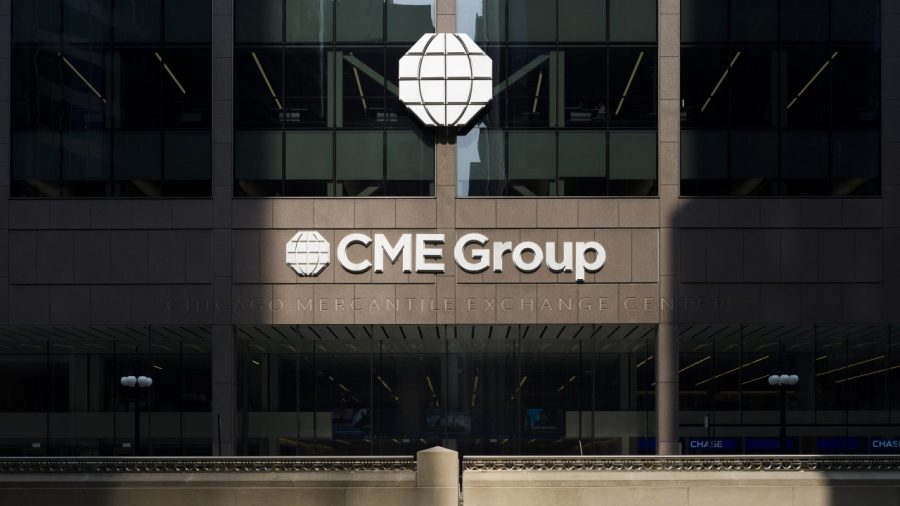
The immediate impact of this approval was felt across U.S. exchanges, as shares of major trading platforms experienced a noticeable selloff. Investors reacted swiftly to the potential for increased competition from new players entering the market with these innovative financial products.
- Shift in trading dynamics
- Increased competition for traditional exchanges
- Potential for regulatory scrutiny
The Legal Challenges Ahead
As the dust settles from the CFTC’s decision, the financial community is now facing a growing wave of legal challenges. At least one high-profile lawsuit has emerged, targeting the regulatory body for its approval of perpetual futures. Critics argue that the move could destabilize the market and lead to significant losses for inexperienced traders.
Understanding the Risks
Leverage is a double-edged sword in trading. While it can amplify gains, it also magnifies losses. With perpetual futures, traders often have access to leverage ratios that can exceed 100:1, meaning even a slight market fluctuation can result in substantial financial consequences. As more retail investors engage with these products, the potential for market manipulation and systemic risk grows.
The Regulatory Response
In light of these developments, regulatory agencies are expected to intensify their scrutiny of perpetual futures. The CFTC may need to implement stricter guidelines to ensure that these products do not expose investors to undue risk. The path forward will likely involve balancing innovation with the protection of market integrity.
Looking Ahead
As Wall Street grapples with the implications of perpetual futures, the conversation around trading, risk, and regulation continues to evolve. Investors and regulators alike must remain vigilant in navigating this new territory, ensuring that the benefits of innovation do not come at the cost of financial stability.
In conclusion, the CFTC’s approval of perpetual futures has sparked significant change on Wall Street. With nonstop trading and high leverage, these products offer enticing opportunities but also present formidable risks. The coming months will be critical as the financial community adapts to this new reality and as legal and regulatory challenges unfold.