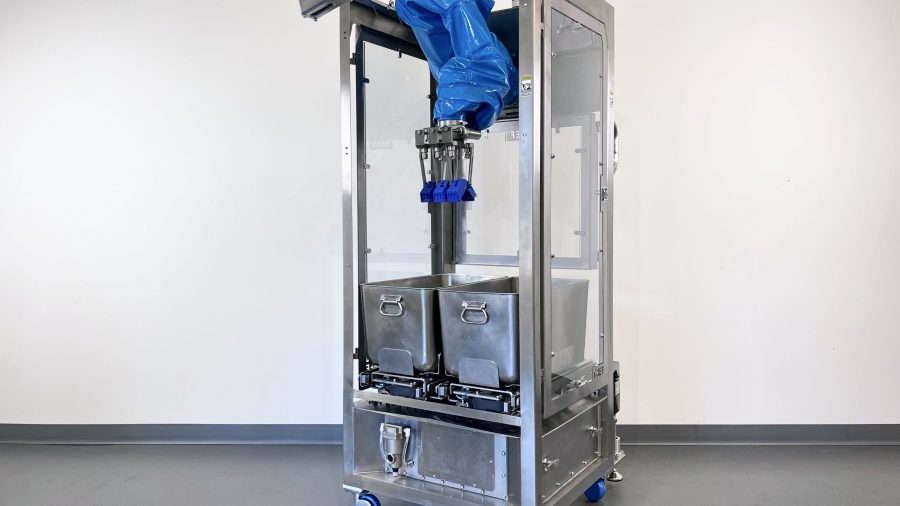
In the heart of San Francisco’s Tenderloin district, a neighborhood often associated with complex social challenges, technology is stepping in to address a critical issue: hunger. A local nonprofit has partnered with cutting-edge robotic meal prep technology to ensure that those in need receive consistent, nutritious meals, even as the organization grapples with a shortage of human volunteers.
The Problem: Volunteer Shortages Amid Rising Demand
Nonprofits across the nation have faced increasing difficulties in recruiting and retaining volunteers, and the Tenderloin is no exception. The area, known for its high rates of homelessness and poverty, has seen a surge in demand for services over recent years. However, the lingering effects of the pandemic, coupled with economic pressures, have resulted in fewer people stepping up to help.
“We’ve always relied heavily on volunteers to prepare and distribute meals,” said a spokesperson for the nonprofit. “But with fewer hands on deck, we knew we needed a new solution to keep pace with the growing demand.”
The Solution: Robots in the Kitchen
Enter robotic meal preparation technology. These state-of-the-art machines are capable of performing a variety of kitchen tasks, from chopping vegetables to assembling entire meals with precision and speed. Not only do they help fill the gap left by absent volunteers, but they also ensure that operations run smoothly and efficiently.
The nonprofit has integrated these robots into its daily operations, allowing them to produce hundreds of meals in a fraction of the time it would take a human team. The meals are then distributed to individuals and families struggling to make ends meet in the Tenderloin.
Key Benefits of Robotic Meal Prep
- Efficiency: Robots can prepare meals quickly and consistently, ensuring that no time is wasted in getting food to those who need it.
- Cost-Effectiveness: While the initial investment in robotic technology can be high, the long-term savings on labor and food waste make it a worthwhile expense.
- Scalability: As demand continues to grow, robots can easily be scaled up to increase meal production without the challenges of hiring additional staff.
The Human Touch: Volunteers Still Play a Role
While robots have taken over much of the meal preparation work, human volunteers remain an essential part of the operation. They handle tasks such as packaging, distribution, and providing emotional support to the community members they serve. “The robots are amazing, but they can’t replace the kindness and connection that our volunteers bring,” the spokesperson emphasized.
For many residents of the Tenderloin, the meals provided by this nonprofit are a lifeline. But it’s not just about the food—it’s about the sense of community and dignity that comes with knowing someone cares.
A Glimpse Into the Future
As the use of robotics in nonprofit work expands, it raises questions about the future of charitable services. Could robots eventually take on even more complex tasks, such as delivering meals directly to people’s homes or assisting with other forms of aid? For now, the focus remains on leveraging technology to complement human efforts rather than replace them entirely.
The partnership between this nonprofit and robotic meal prep technology is a powerful example of how innovation can address pressing social issues. In a neighborhood where resources are often stretched thin, these machines are providing a much-needed boost, ensuring that no one goes hungry—one plate at a time.