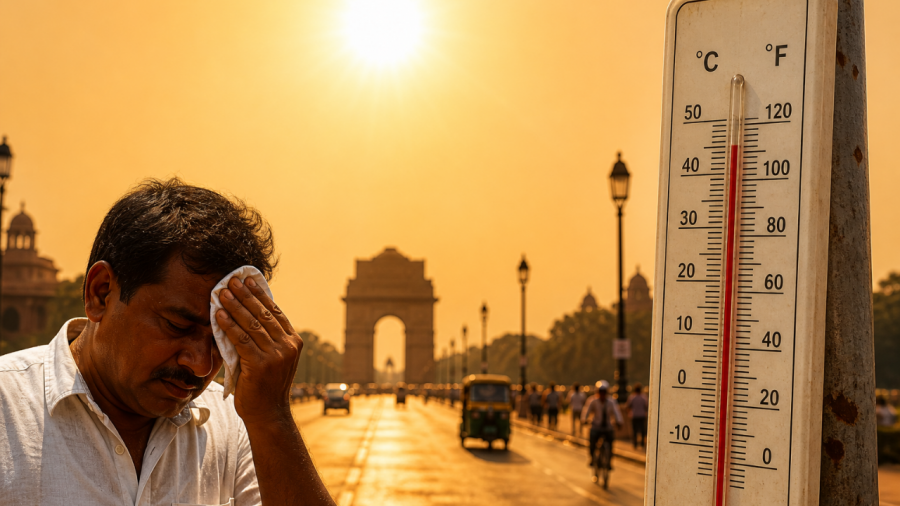
Super El Niño and the Scorching Heat of 2023
As India braces itself for what could be its longest and hottest summer to date, the country is grappling with extreme heatwaves that are arriving earlier and with unprecedented intensity. The situation has been exacerbated by the strengthening Super El Niño phenomenon, which is influencing weather patterns across the globe.
Understanding the Impact of Super El Niño
The Super El Niño, a climate pattern characterized by warmer ocean temperatures in the Pacific, has far-reaching effects that extend well beyond coastal regions. In India, this phenomenon has led to soaring temperatures, pushing thermometers to record highs.
Health Risks Associated with Extreme Heat
The rising temperatures pose significant health risks to the population, particularly vulnerable groups such as the elderly, children, and those with pre-existing health conditions. Heat-related illnesses, including heatstroke and dehydration, are becoming increasingly common as people struggle to cope with the relentless heat.
- Heatstroke: A severe condition that can occur when the body overheats, leading to potential organ failure.
- Dehydration: As temperatures rise, the risk of dehydration increases, particularly in areas with limited access to clean drinking water.
- Respiratory Issues: Increased temperatures can exacerbate air pollution, leading to respiratory problems among those with asthma or other lung conditions.
Economic Challenges Amidst the Heatwave
The economic implications of the extreme heat are profound. Agricultural sectors, which form the backbone of India’s economy, are particularly vulnerable. With crops wilting under the relentless sun and water scarcity becoming a pressing issue, farmers are facing significant losses that threaten their livelihoods.
Daily Life Disrupted
The impact of the heatwave extends to daily life, with schools considering changes to schedules, businesses adapting their hours, and individuals altering their routines to cope with the oppressive conditions. Public infrastructure is also under strain, as cities struggle to manage increased energy demands for air conditioning and cooling.
Strategies for Adaptation and Mitigation
In response to this growing crisis, experts emphasize the importance of both adaptation and mitigation strategies. These strategies are crucial for navigating the challenges posed by extreme weather conditions.
- Community Awareness Programs: Educating the public about heat safety and the signs of heat-related illnesses can save lives.
- Water Conservation Measures: Implementing policies to conserve water resources is essential as drought conditions worsen.
- Investment in Renewable Energy: Transitioning to renewable energy sources can help reduce the carbon footprint and mitigate climate change impacts.
As the nation faces the harsh realities of a climate crisis, the call for immediate action has never been more urgent. The Indian government, along with local communities, must work together to implement strategies that will not only address the current heatwave but also prepare for future climate challenges. Only through a collective effort can India hope to withstand the growing impacts of climate change and protect its most vulnerable populations.