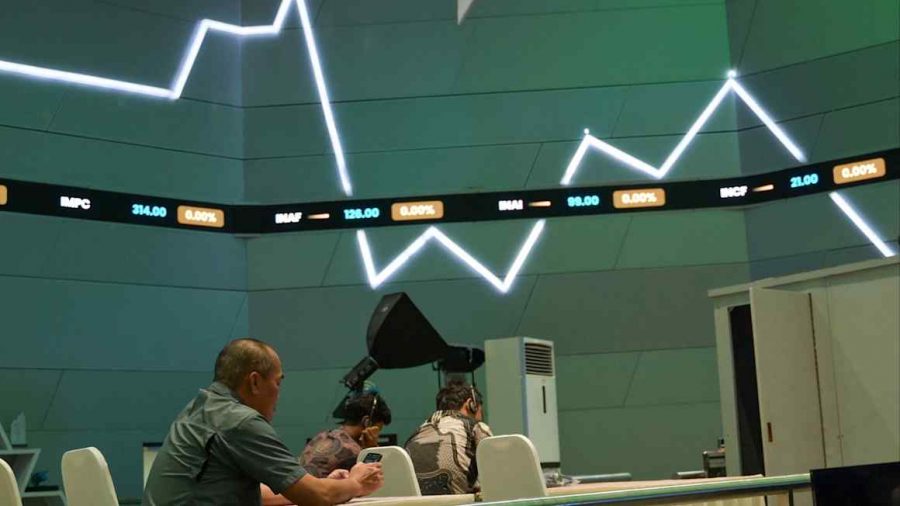
Indonesia’s Stock Market on Alert Amid Downgrade Warnings
In a troubling development for investors and economic stakeholders, Indonesia’s stock market has received a second downgrade warning, this time from S&P Dow Jones. Following a similar move by MSCI, the Southeast Asian nation finds itself at risk of being reclassified to ‘frontier’ status, raising concerns about its economic stability and investment attractiveness.
Understanding the Downgrade
The recent warning from S&P Dow Jones indicates that Indonesia’s stock market is being closely monitored for potential reclassification. This follows MSCI’s earlier decision to place Indonesia on its watchlist, indicating that the country may be downgraded from its current status as an emerging market. Such a change could have significant implications for foreign investment and market confidence.
The Implications of Reclassification
Reclassification to a ‘frontier’ market could diminish Indonesia’s appeal to international investors. Frontier markets are often perceived as riskier investments compared to emerging markets, which could lead to a reduction in capital inflows. Investors typically seek stability and growth potential, and a downgrade could signal a lack of confidence in the nation’s economic trajectory.
Current Economic Landscape
Indonesia’s economy has faced numerous challenges in recent years, from the impacts of the global pandemic to rising inflation and increasing geopolitical tensions. The combination of these factors has led to a cautious approach from investors, who may now be reevaluating their positions in the Indonesian market.
Reactions from Financial Analysts
Financial analysts have expressed concern regarding the implications of the downgrade warnings. Many believe that Indonesia’s government must take immediate action to regain investor confidence and stabilize the economy. Strategies may include:
- Strengthening Economic Policies: Implementing robust fiscal measures to support growth.
- Enhancing Transparency: Providing clearer communication regarding economic strategies and reforms.
- Diversifying Investments: Attracting foreign direct investment in various sectors to bolster economic resilience.
Market Reactions
In the wake of the downgrade warnings, Indonesia’s stock market has experienced fluctuations, with indices reflecting investor uncertainty. Analysts note that the market’s reaction could be volatile in the short term as stakeholders digest the implications of the potential reclassification.
Looking Ahead
The road ahead for Indonesia’s stock market will depend significantly on the government’s response to these challenges. As S&P Dow Jones and MSCI continue to monitor the situation, the onus is on Indonesia to demonstrate its commitment to economic stability and growth. Investors will be keeping a close eye on upcoming policy announcements and economic indicators that could influence the country’s standing in the global financial community.
Conclusion
As Indonesia grapples with these downgrade warnings, the implications for its stock market and broader economy cannot be understated. The potential shift to a ‘frontier’ market classification poses risks that could deter foreign investment. However, with strategic actions and reforms, Indonesia may still be able to navigate these turbulent waters and restore confidence among investors.