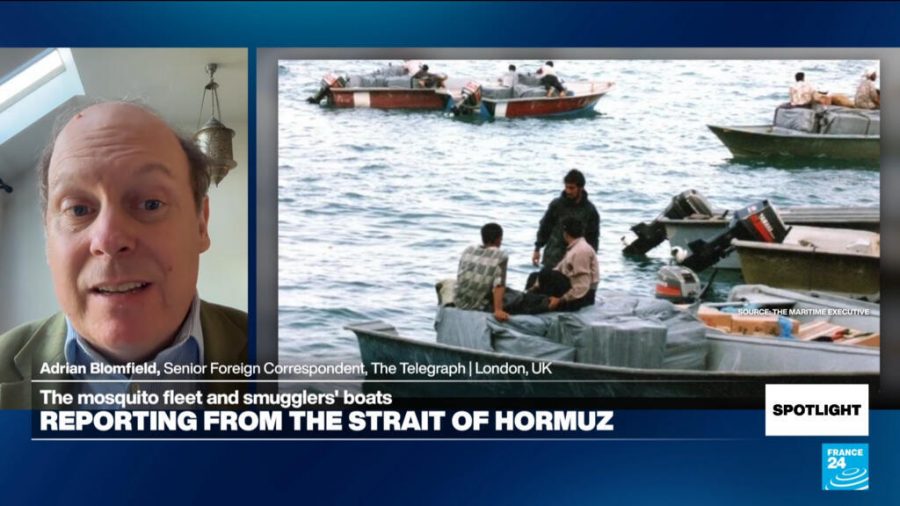
Inside the Strait of Hormuz: A Rare Look at Iran’s Maritime Complexities
In the volatile waters of the Strait of Hormuz, one of the world’s most strategic maritime passages, the reality is far more intricate than geopolitical analyses suggest. Adrian Blomfield, the Senior Foreign Correspondent at The Telegraph, provides an intimate glimpse into this complex environment, revealing how the dynamics at play are shaped not only by military might but also by a web of civilian and smuggling activities.
A Frontline Perspective
Blomfield’s reporting from the frontline offers a unique perspective that transcends the typical narratives of policy and satellite imagery. “One of the things you get a sense of when you’re out on the water,” he notes, “is just how much more complicated the picture is.” This sentiment encapsulates the essence of his findings—what appears as a straightforward geopolitical chessboard is, in reality, a chaotic ecosystem teeming with life and conflict.
The Maritime Ecosystem
As Blomfield recounts his experiences, he paints a vivid picture of the waters, where “about 300 small speedboats… bouncing along the water” form a dense tapestry of movement. These vessels, often indistinguishable from one another, include not just military crafts but also smugglers and civilian boats, each navigating the waters with their own agendas.
- Military Presence: The Iranian military maintains a significant presence in the Strait, utilizing fast attack boats to patrol and assert control over these crucial waterways.
- Civilians and Smugglers: Civilians and smugglers operate in close proximity to military forces, complicating the situation further. The lack of clear distinctions between these groups raises tensions and increases the potential for conflict.
- International Stakes: The Strait of Hormuz is a vital artery for global oil shipments, and any disruption can have far-reaching implications for the global economy.
Complications on the Water
The complexities that Blomfield describes are not merely theoretical; they are kinetic, with real-world implications. The interactions among the various actors in the Strait create a volatile environment where miscalculations can lead to dangerous confrontations. The haze that often hangs over the water serves as a metaphor for the murky realities of maritime operations in this region.
Conclusion
Blomfield’s insights into the Strait of Hormuz reveal a landscape where military and civilian activities coexist in a precarious balance. As tensions continue to simmer, understanding the intricacies of this environment will be crucial for policymakers and military strategists alike. The waters of Hormuz are not just a passage for oil; they are a complex arena where power dynamics play out in real time, affecting not just the regional players but the entire world.