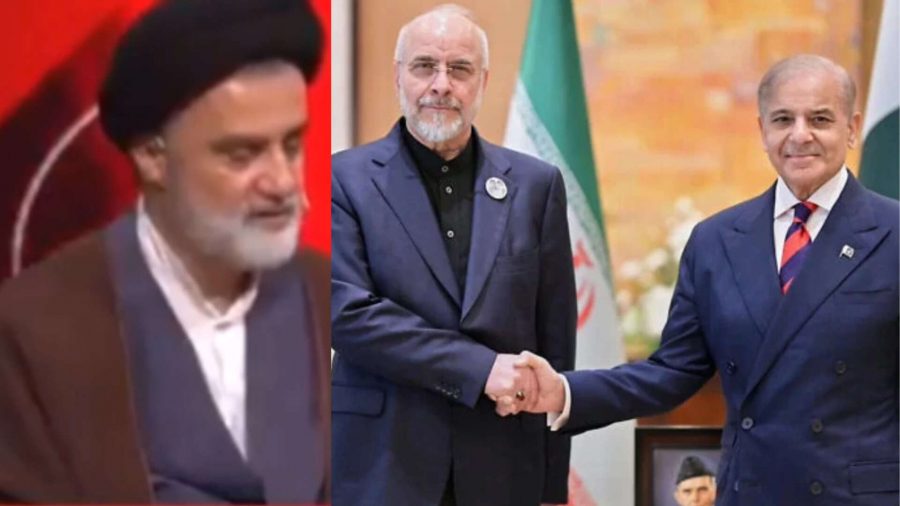
Iran Admits ‘Strategic Mistake’ in Nuclear Talks, Rejects US Demands
In a surprising turn of events, an Iranian lawmaker has openly criticized the country’s recent diplomatic engagements, labeling them a ‘tactical blunder.’ The remarks came after high-stakes nuclear negotiations held in Pakistan, where Iran’s nuclear program was a central topic. The MP’s candid admission has sparked debates about Tehran’s future strategy in international diplomacy.
A Controversial Admission
The Iranian MP, whose identity has not been disclosed, revealed that the discussions inadvertently weakened Iran’s bargaining power on the global stage. According to the lawmaker, engaging in talks about Iran’s nuclear ambitions—a highly sensitive issue—allowed foreign powers to impose stricter conditions than Tehran had anticipated.
“This was a strategic mistake,” the MP stated, emphasizing that the negotiations should have focused on broader geopolitical issues rather than narrowing in on Iran’s nuclear program. The admission marks a rare moment of self-criticism from within Iran’s political establishment.
US Demands and Iran’s Firm Rejection
During the talks, the United States reportedly demanded a 20-year suspension of Iran’s enriched uranium activities—a condition Tehran immediately rejected. The MP confirmed that Iran delegation stood firm against what they viewed as an unreasonable ultimatum.
- US Demand: 20-year freeze on uranium enrichment
- Iran’s Response: Immediate rejection, citing sovereignty concerns
- Negotiation Outcome: Stalemate, with no progress on key issues
Analysts suggest that the US proposal was an attempt to curb Iran’s nuclear capabilities long-term, but Tehran’s refusal underscores its commitment to maintaining its nuclear program as a strategic asset.
Broader Implications for Iran’s Diplomacy
The MP’s remarks have raised questions about Iran’s diplomatic strategy moving forward. Some experts argue that the admission could signal a shift toward a more hardline stance, while others believe it may prompt Tehran to reassess its negotiation tactics.
“This could be a wake-up call for Iran’s foreign policy team,” said one Middle East analyst. “If they continue to make concessions without securing tangible benefits, they risk further leverage in future talks.”
Meanwhile, regional tensions remain high, with neighboring countries closely monitoring Iran’s next steps. The failed negotiations in Pakistan may lead to increased pressure from Western powers, potentially escalating the standoff over Iran’s nuclear ambitions.