Strait of Hormuz: A New Era of Maritime Governance
In a significant diplomatic development, Iran has announced that it held its first meeting with Oman regarding the management of the strategically vital Strait of Hormuz. This meeting comes on the heels of a preliminary agreement aimed at de-escalating tensions in the Middle East, particularly between Iran and the United States.
The Context of Recent Developments
The Strait of Hormuz is a crucial maritime corridor through which approximately 20% of the world’s oil passes. For decades, this narrow passage has been a focal point of geopolitical tension, particularly between Iran and Western nations. The recent meeting between Iranian and Omani officials suggests a potential shift in how maritime security in the region will be approached moving forward.
Insights from Experts
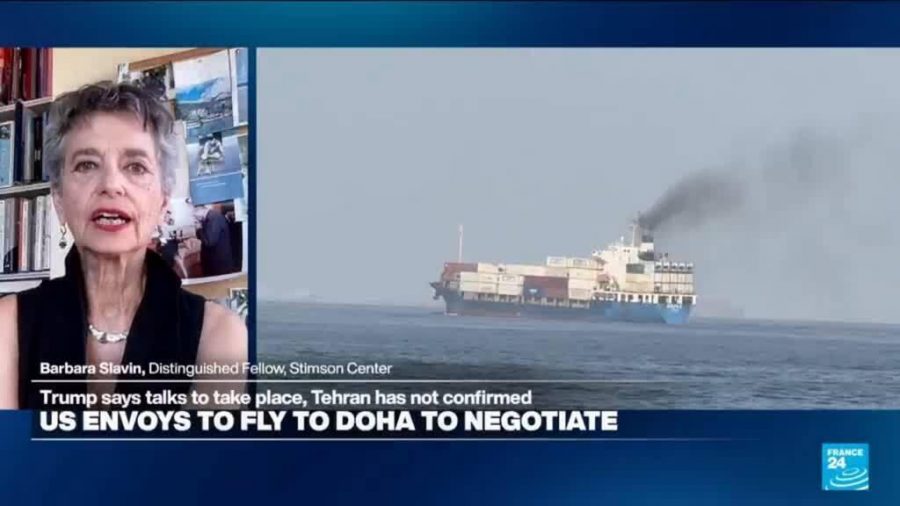
Barbara Slavin, a Distinguished Fellow at the Stimson Center in Washington, provided her analysis on this evolving situation during an interview with FRANCE 24’s Mark Owen. She emphasized that while the United States is attempting to reestablish what she termed the “old rules of the road” in the Strait, Iran is signaling that it intends to implement a new framework for maritime governance.
Iran’s Position
According to Slavin, Iran’s recent diplomatic overtures, including the meeting with Oman, indicate a clear desire to redefine the existing norms governing the Strait of Hormuz. “Iran has made it very clear that there are new rules,” she stated, suggesting that Tehran is keen on asserting its influence over the passage and is prepared to do so in collaboration with neighboring states like Oman.
Implications for Global Trade
The implications of these developments are significant for global trade and energy markets. As tensions rise and new rules are proposed, shipping routes through the Strait may become increasingly unpredictable. This uncertainty could lead to heightened insurance costs for shipping companies and may impact global oil prices.
The Role of Oman
Oman has historically played a mediating role in Gulf politics, often serving as a neutral party in discussions between Iran and other nations. By engaging with Iran on maritime issues, Oman might be positioning itself as a key player in fostering dialogue and reducing tensions in the region.
Potential for Future Cooperation
While the situation remains fluid, the meeting between Iran and Oman could pave the way for future collaborations on maritime security and trade. It raises the possibility of establishing a framework that accommodates the interests of both Iran and its Gulf neighbors, potentially easing longstanding animosities.
Conclusion
The evolving dynamics in the Strait of Hormuz highlight a crucial juncture in Middle Eastern geopolitics. As Iran asserts its new maritime governance framework, the response from the United States and other global powers will be critical in shaping the future of trade in one of the world’s most important waterways. How these new rules will be implemented and accepted by the international community remains to be seen, but the dialogue initiated with Oman marks a noteworthy step in a complex geopolitical landscape.