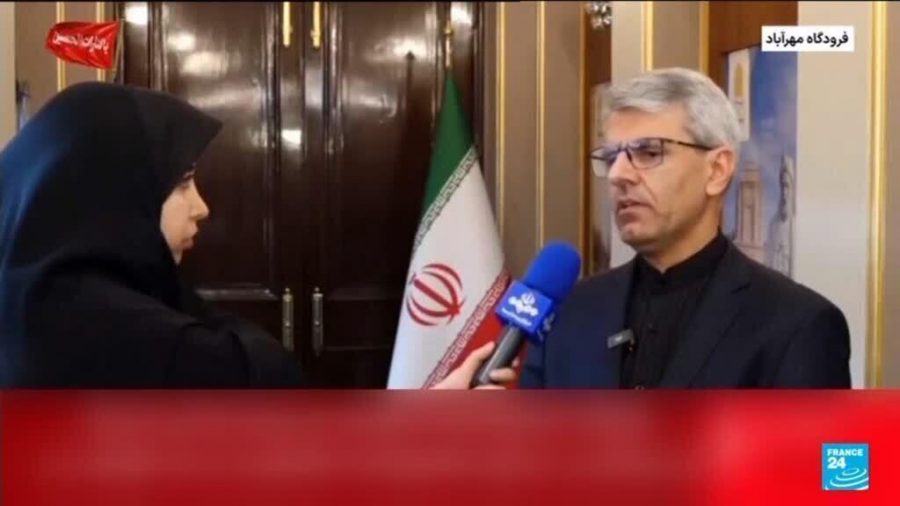
The geopolitical landscape is set for a significant shift as the United States and Iran prepare to embark on a new round of peace talks in Switzerland this Sunday. This meeting, following the recent signing of a Memorandum of Understanding, aims to address contentious issues surrounding Iran’s nuclear program and its uranium stockpiles. As global eyes turn to the negotiations, Lebanon remains a central theme, complicating the already intricate dynamics of Middle Eastern politics.
Background of the Talks
The United States and Iran have been engaged in a protracted struggle over nuclear capabilities since the mid-20th century, with tensions escalating in recent years. The Memorandum of Understanding, which aims to lay the groundwork for resolving critical points of contention, has raised hopes for a diplomatic resolution. However, the parties have only 60 days to navigate through several complex issues, including the future of Iran’s nuclear ambitions.
Lebanon: The Main Topic
In the intricate web of Middle Eastern politics, Lebanon has emerged as a focal point in the upcoming discussions. Iranian officials have underscored that the situation in Lebanon will be a “main topic” at the talks. The ongoing tensions between Israel and Hezbollah, a powerful militant group based in Lebanon, complicate the negotiations significantly. Israel’s refusal to withdraw from Lebanese territory has intensified clashes, creating an environment fraught with uncertainty.
Current Tensions in Lebanon
In recent weeks, the conflict between Israel and Hezbollah has escalated, with both sides exchanging fire along their shared border. Israeli forces have conducted airstrikes targeting Hezbollah positions, claiming self-defense against perceived threats. Meanwhile, Hezbollah has vowed to retaliate, further exacerbating the situation. As these developments unfold, the impact on the peace talks cannot be understated.
Impact of Regional Dynamics
The ongoing hostilities in Lebanon may influence the negotiations in Switzerland. Analysts suggest that any agreement reached between the United States and Iran could be undermined if the violence continues. The intertwined fates of Lebanon, Israel, and Iran mean that what happens in one country can dramatically affect the others. As such, peace in Lebanon may be a prerequisite for any lasting agreement.
International Reactions
The international community is closely monitoring the situation, with various nations expressing concern over the potential ramifications of a failure in the talks. European allies of the United States have emphasized the importance of a diplomatic resolution, urging all parties involved to approach the negotiations with a commitment to peace. Conversely, some regional actors view Iran’s involvement in Lebanon with suspicion, fearing it could lead to increased instability.
Looking Ahead
As the talks in Switzerland approach, the stakes are higher than ever. With a deadline looming and significant issues on the table, both Iran and the United States will need to navigate a complex landscape filled with external pressures and internal challenges. The outcome of these discussions could reshape the future of not only Iran’s nuclear program but also the broader peace landscape in the Middle East.
Conclusion
The upcoming peace talks represent a crucial opportunity for both the United States and Iran to resolve longstanding issues while addressing the volatile situation in Lebanon. The successful negotiation of the Memorandum of Understanding may pave the way for a more stable and peaceful region, but the path ahead is fraught with challenges. As the world watches, all eyes will be on Switzerland this Sunday.