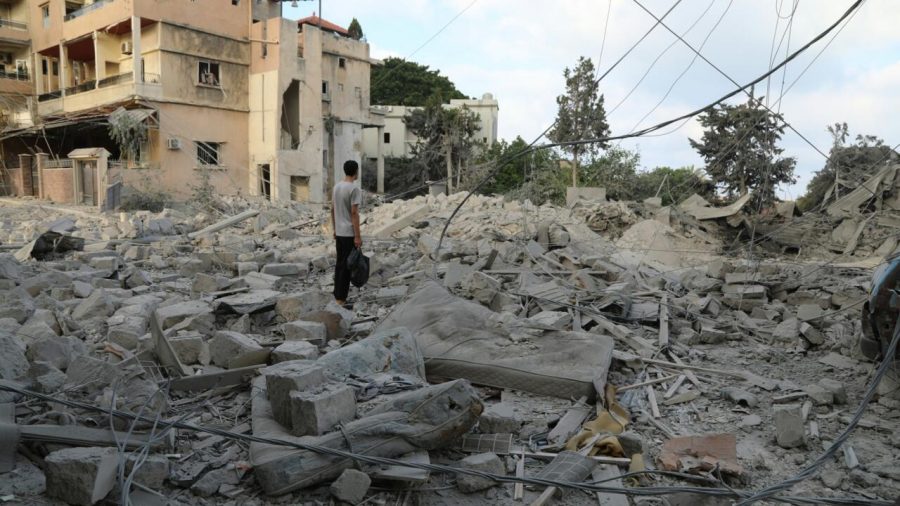
In a surprising turn of events, Iran’s military has declared a “cessation” of its attacks on Israel, raising questions about the future of the ongoing conflict in the Middle East. This announcement comes as regional tensions have reached unprecedented levels, with fears of a wider war looming over the area.
The Context of the Conflict
The Middle East has been a hotbed of conflict for decades, but the current hostilities have escalated dramatically in recent months. With numerous factions involved, including state actors and non-state militias, the complexity of the situation has made it challenging for diplomatic solutions to take shape.
Iran’s Role in the Region
Iran has been a significant player in the ongoing tensions, supporting various militant groups in the region that oppose Israel. The Iranian government, led by hardline leaders, has consistently voiced its support for Palestinian groups, accusing Israel of aggression and occupation.
Announcement of Cessation
The announcement from Iran’s military comes on the heels of increased international pressure for de-escalation. In a statement released to the media, the military said, “In response to diplomatic efforts and a recognition of the need for peace, we have decided to halt offensive actions against Israel.” This marked a notable shift in Iran’s posture.
International Reactions
The global community has responded with cautious optimism. Many leaders have welcomed Iran’s decision as a potential step toward peace. U.S. Secretary of State has stated, “This could be a pivotal moment in addressing long-standing tensions in the region, and we urge all parties to engage in dialogue and pursue diplomatic solutions.”
The Implications of the Cessation
The cessation of attacks by Iran could signify a broader shift in strategy for the country, or it may simply be a tactical pause in a much larger game of geopolitical chess. Analysts warn that while this development is positive, it does not guarantee an end to hostilities.
What Lies Ahead?
Experts believe that this decision could lead to negotiations between Israel and Iran, but the path forward remains fraught with challenges. The deeply entrenched animosities and historical grievances between the two nations still pose significant barriers to peace.
The Role of Regional Allies
Iran’s allies, including groups in Lebanon and Syria, will also play a crucial role in shaping the future dynamics of the conflict. Any decisions made by Iran could influence these groups’ actions, potentially leading to further tensions or, conversely, a broader push for stability in the region.
Conclusion
As the world watches closely, the cessation of attacks by Iran introduces a glimmer of hope in a conflict that has caused untold suffering for millions. The coming days and weeks will be critical in determining whether this announcement leads to genuine peace efforts or if it is merely a temporary reprieve in an ongoing struggle.