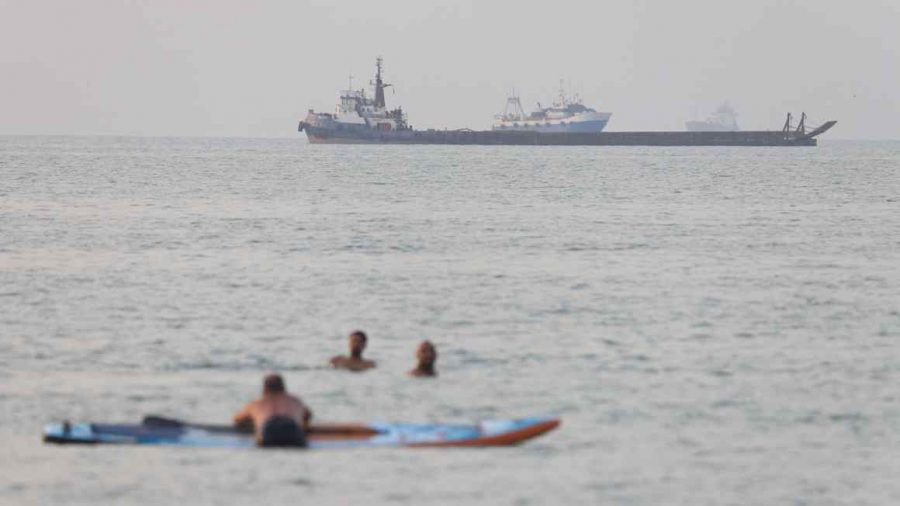
Iran Issues Directives to Ships in the Strait of Hormuz
The Strait of Hormuz, a crucial waterway for global oil shipments, has become the center of a maritime controversy as Iran has issued orders for vessels to change their course. This directive has resulted in at least four ships altering their routes, raising concerns about Iran’s broader intentions and its challenge to established international maritime protocols.
Background of the Strait of Hormuz
The Strait of Hormuz is one of the world’s most strategically important chokepoints, with about 20% of the globe’s oil passing through this narrow passage between Iran and Oman. Given its significance, any disruption in this area can have far-reaching implications on global energy markets and international relations.
Iran’s Challenge to the International Maritime Organization
Iran’s recent actions appear to be a direct challenge to the International Maritime Organization (IMO), which has established evacuation routes for vessels navigating through the strait. The IMO’s guidelines are designed to ensure safe passage through this busy maritime corridor, but Iran’s unilateral directive raises questions about the country’s commitment to international maritime law.
Details of the Incident
According to reports, at least four vessels heeded Iran’s orders to turn back, a move that underscores the tension simmering in the region. The Iranian government has not provided a detailed explanation for this directive, but analysts suggest it may be part of a broader strategy to assert its influence over the Strait of Hormuz and challenge perceived Western dominance in the area.
Reactions from the Maritime Community
The maritime community is closely monitoring the situation, as Iran’s actions could lead to increased tensions in an already volatile region. Shipping companies are advised to exercise caution and remain informed about the evolving situation, with some considering rerouting their vessels to avoid potential conflicts.
Potential Implications for Global Oil Supply
Any disruption in the Strait of Hormuz could have significant implications for global oil supply and prices. With tensions already high due to ongoing conflicts and political instability in the region, further escalation could prompt reactions from major oil-producing nations and lead to volatility in the international oil market.
Historical Context of Iran’s Maritime Policies
This is not the first time Iran has exerted influence over the Strait of Hormuz. Historically, the Iranian government has threatened to close the strait during periods of heightened tensions with Western nations, particularly the United States. Such actions have been viewed as attempts to leverage geopolitical power and affirm its status as a key player in regional dynamics.
Conclusion: The Future of Maritime Navigation in the Strait
The situation in the Strait of Hormuz remains fluid, and the international community is urged to remain vigilant. As Iran continues to assert its position in the region, the implications for maritime navigation and global trade could be profound. Stakeholders in the shipping and energy sectors will need to navigate these tensions carefully to ensure safe passage and protect their interests.