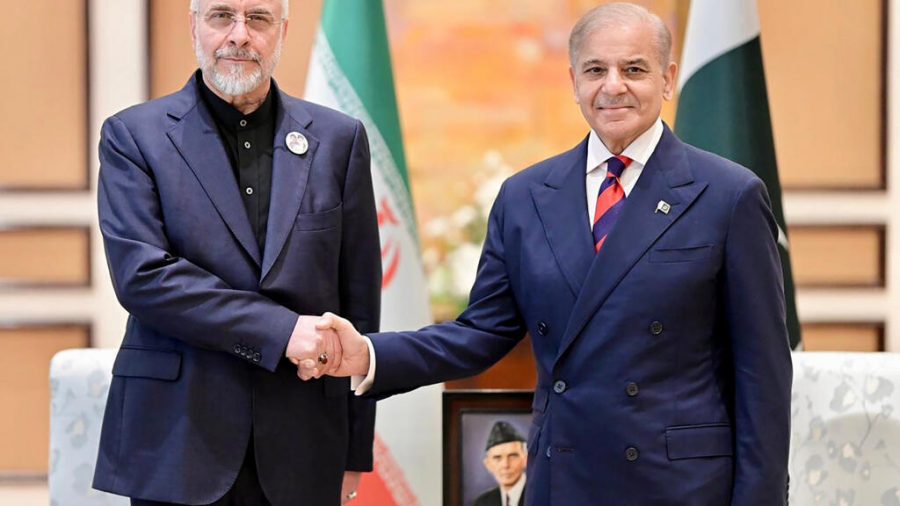
Iran Affirms Control Over Strategic Strait of Hormuz
In a significant development in regional geopolitics, Iran’s chief negotiator, Mohammad Bagher Ghalibaf, declared on Tuesday that the Strait of Hormuz will be under the administration of Tehran. This announcement follows a series of talks between US and Iranian officials in Switzerland, aimed at addressing pressing security concerns and the future of this vital shipping route.
The Importance of the Strait of Hormuz
The Strait of Hormuz, a narrow passage between Iran and Oman, is one of the world’s most critical waterways, with approximately one-fifth of the global oil supply passing through it. Control over this strait is of immense strategic importance, not only for Iran but also for the international community, particularly oil-importing nations.
Recent Developments in US-Iran Relations
The latest round of negotiations in Switzerland has brought renewed attention to US-Iran relations, which have been strained since the US withdrawal from the Joint Comprehensive Plan of Action (JCPOA) in 2018. The Biden administration has expressed a desire to re-engage with Iran, but significant hurdles remain, particularly regarding Iran’s nuclear program and its regional military activities.
Iran’s Stance on Regional Security
Ghalibaf’s comments reflect Iran’s determination to assert its influence in the region, particularly in the context of ongoing tensions with the United States and its allies. The Iranian government has long maintained that it has the right to control its territorial waters, and Ghalibaf’s statement reinforces this position.
Potential Implications for Global Trade
The administration of the Strait of Hormuz by Iran could have far-reaching implications for global trade and energy security. Analysts warn that any increase in tensions could result in disruptions to shipping routes, leading to higher oil prices and potential economic instability.
International Reactions
The international community is closely monitoring these developments, with several countries expressing concern over Iran’s assertiveness in the region. The United States, in particular, has maintained a naval presence in the Persian Gulf to ensure the freedom of navigation. In response to Iran’s claims, US officials reiterated their commitment to protecting international shipping lanes.
Looking Ahead: The Future of Diplomacy
As negotiations continue, the focus will likely shift to finding common ground on security arrangements that address the concerns of both Iran and the United States. The outcome of these talks could significantly alter the balance of power in the region and influence future diplomatic efforts.
Conclusion
The declaration by Iran regarding the Strait of Hormuz underscores the complexities of Middle Eastern geopolitics and the ongoing struggle for influence in a region rich in resources but fraught with conflict. As the world watches closely, the next steps in US-Iran negotiations could prove pivotal for the future of regional security and global trade.