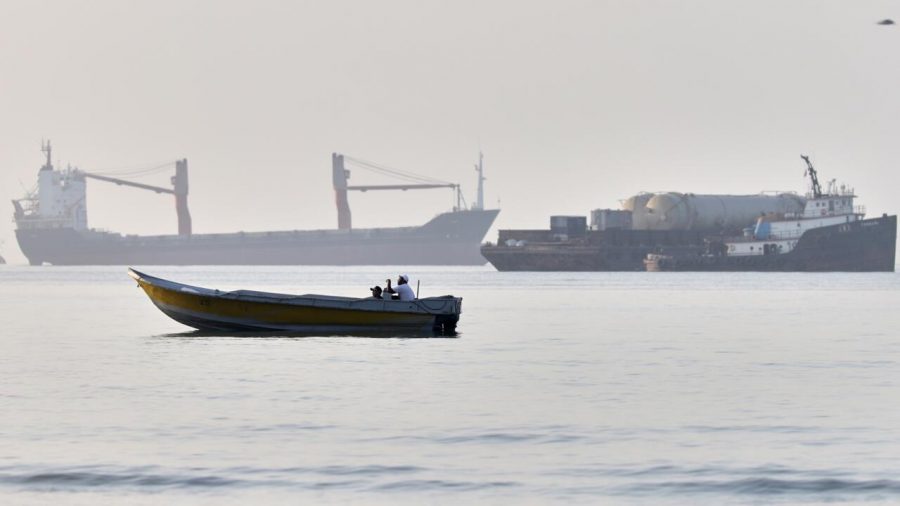
Iran Closes Strait of Hormuz Amid Rising Tensions with the US
In a dramatic escalation of hostilities, Iran has announced the closure of the strategic Strait of Hormuz following a series of military confrontations with the United States. This crucial waterway, through which a significant portion of the world’s oil supply passes, has become a focal point in the ongoing conflict between the two nations.
The Importance of the Strait of Hormuz
The Strait of Hormuz is one of the most vital maritime chokepoints in the world, linking the Persian Gulf to the Arabian Sea. Approximately 20% of the world’s oil trade transits through this narrow strait, making it a critical artery for global energy supplies. Any disruption in this passage can have profound implications for oil prices and global markets.
Background of US-Iran Relations
The relationship between the United States and Iran has been fraught with tension for decades, particularly since the 1979 Iranian Revolution. Recent years have seen a series of provocations, including the US withdrawal from the Iran nuclear deal in 2018 and subsequent sanctions that have crippled Iran’s economy. The US has maintained a significant military presence in the region, citing the need to ensure maritime security and curb Iran’s influence.
Details of the Closure Announcement
Iran’s announcement came shortly after US military forces conducted strikes against Iranian-affiliated targets in Iraq and Syria, which Washington claims were in response to Iranian-backed attacks on American personnel in the region. Iranian officials condemned the actions and vowed to protect their territorial waters, stating that the closure was necessary to safeguard national security and regional stability.
Global Reactions
The international community has reacted with concern to the news of the Strait’s closure. Oil prices surged immediately following the announcement, reflecting fears of supply disruptions. Analysts warn that a prolonged closure could lead to significant increases in energy costs, affecting economies worldwide.
- United Nations: The UN Secretary-General called for restraint from both sides, urging dialogue to resolve the escalating tensions.
- European Union: The EU expressed deep concern over the potential for conflict, emphasizing the need for diplomatic solutions to prevent further escalation.
- Middle Eastern Neighbors: Countries in the region are bracing for potential fallout, with some expressing fears of a wider conflict that could destabilize the already volatile area.
The Potential for Escalation
The closure of the Strait of Hormuz raises the specter of military confrontation, as the US has vowed to keep the waterway open for international shipping. US Navy forces are reportedly on high alert, ready to respond to any threats against maritime traffic. Military analysts speculate that Iran may attempt to assert control over the strait through naval maneuvers or by deploying mines, further escalating tensions.
Conclusion
As the situation develops, the world watches closely. The closure of the Strait of Hormuz could lead to significant geopolitical shifts and economic ramifications. Both Iran and the United States must navigate this precarious situation carefully, as the potential for miscalculation and conflict looms large. The future of the Strait—and of international oil markets—hangs in the balance.