Iran Targets Gulf States in Response to U.S. Strikes
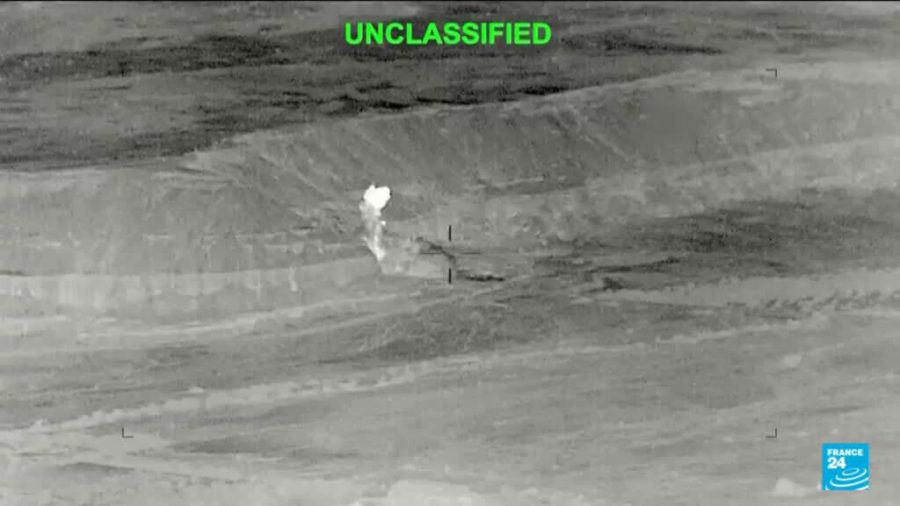
As tensions between the United States and Iran continue to simmer, the fragile ceasefire established earlier this year appears to be on the brink of collapse. In a series of aggressive moves, Iran has reportedly conducted a third consecutive day of retaliatory strikes against U.S. military installations across the Middle East, igniting fears of a renewed conflict.
Retaliatory Strikes and Escalating Threats
Tehran’s recent military actions signify a bold response to what it perceives as U.S. provocations. Iranian officials claim these strikes serve as a necessary measure against American aggression, citing multiple violations of the truce by U.S. forces. The Iranian government insists that its military operations are a legitimate defense of its sovereignty and regional interests.
On the other side of the conflict, Washington has issued stern warnings regarding the potential consequences of Iran’s actions. U.S. officials have emphasized that any escalation could provoke a fierce and overwhelming retaliation. President Donald Trump, known for his combative rhetoric, has threatened to “annihilate” Iran should a full-scale conflict erupt. This harsh warning underscores the precariousness of the current situation.
Ceasefire at Risk of Collapse
The ongoing exchanges of fire have raised alarm among international observers, who fear that the fragile ceasefire could crumble, leading to a significant escalation in hostilities. Iranian officials have made it clear that they are prepared to abandon peace negotiations if the United States continues its military actions. This hardline stance raises critical questions about the future of diplomatic efforts in the region.
Regional Implications of Renewed Hostilities
The implications of a renewed conflict between the U.S. and Iran extend beyond their borders, potentially destabilizing the entire Gulf region. Neighboring countries, already on high alert, are bracing for the fallout from any escalation. The situation is particularly precarious for Gulf states, which could find themselves caught in the crossfire.
- Heightened military readiness among Gulf nations
- Increased diplomatic efforts to mediate the situation
- Potential humanitarian crises in conflict zones
International Reactions and Mediation Efforts
In response to the escalating tensions, several countries have called for restraint from both parties. Diplomatic channels are being explored to prevent further violence, but the success of these efforts remains uncertain. The international community is watching closely, as any miscalculation could lead to devastating consequences.
Conclusion: A Volatile Future
As the situation continues to evolve, both Iran and the United States must navigate a complex landscape of military posturing and diplomatic negotiations. The risk of conflict looms large, and the fragile ceasefire is a reminder of the delicate balance that exists in the region. The coming days and weeks will be crucial in determining whether peace can be maintained or whether the Gulf states will be plunged into a new cycle of violence.