Introduction
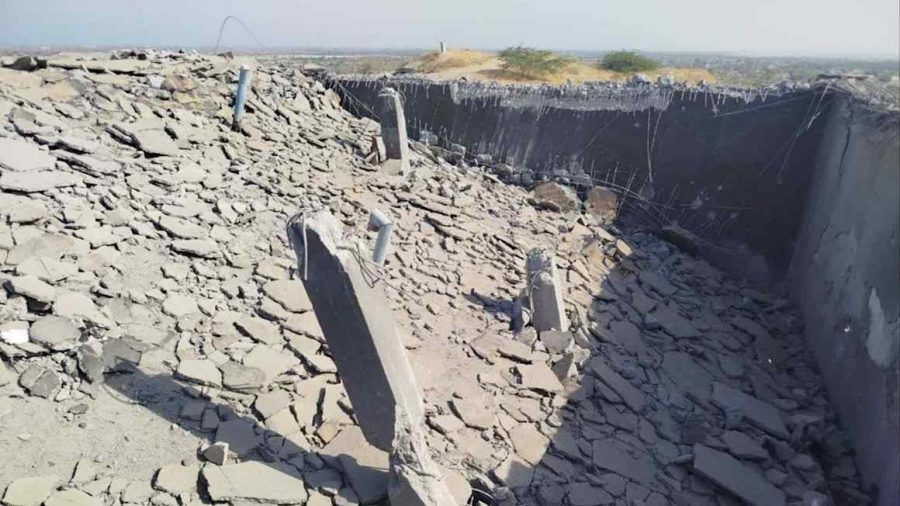
A recent escalation in tensions between Iran and the United States has resulted in a significant humanitarian crisis, with reports indicating that approximately 20,000 residents have been left without access to clean water following US airstrikes on vital reservoir tanks in Iran.
Background of the Conflict
The confrontation began when Iranian forces downed an American helicopter, prompting a swift response from Washington. The US military confirmed that its jets targeted military installations, focusing on air defense and radar sites to mitigate threats from Iranian forces.
The Airstrikes and Their Impact
The airstrikes conducted by US forces aimed to dismantle Iran’s military capabilities, particularly those related to air defense. However, the collateral damage has led to severe consequences for civilian infrastructure. The destruction of reservoir tanks has left thousands without water, raising alarms about the potential for a public health crisis.
Humanitarian Concerns
As the situation unfolds, humanitarian organizations are expressing deep concern for the well-being of the affected population. Access to clean water is crucial for both health and hygiene, and the sudden loss of this essential resource poses significant risks, particularly in light of the ongoing regional tensions.
Statements from Officials
Iranian officials have condemned the US airstrikes, labeling them as acts of aggression that violate international law. They have called for immediate assistance to restore water services to the affected communities. In contrast, US officials maintain that their military actions were a necessary response to Iranian provocations.
The Broader Implications
This incident is reflective of a broader pattern of escalating military confrontations between the US and Iran, which have persisted for years. As both nations navigate a complex geopolitical landscape, the risk of further military engagement remains high, potentially leading to more humanitarian crises.
Community Response
Local communities are rallying to assist those impacted by the water crisis. Volunteers are distributing bottled water and setting up makeshift water collection points. However, these efforts are hampered by ongoing tensions and fears of further military action.
International Reactions
The international community has been closely monitoring the situation, with various countries urging both sides to exercise restraint. Calls for diplomatic measures to resolve the conflict have intensified, as the humanitarian implications of continued violence become increasingly apparent.
Conclusion
The water crisis in Iran serves as a stark reminder of the far-reaching consequences of military conflict. As the situation develops, the need for a peaceful resolution is paramount to prevent further suffering among the civilian population.