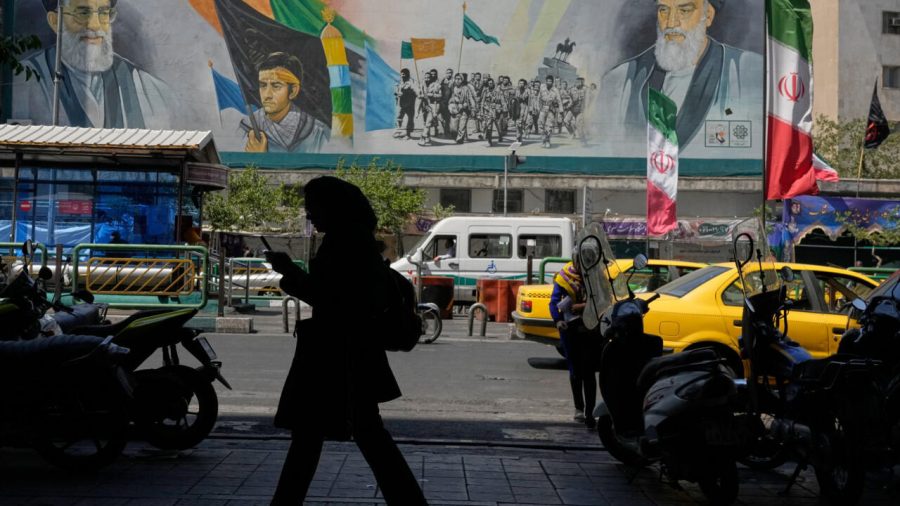
Iran Delays Signing of Islamabad Memorandum
In a significant development, Iranian officials have announced that the signing of the Islamabad memorandum, which was initially set to take place on Sunday, has been postponed. This decision has raised questions about the future of diplomatic ties and collaborative efforts within the region.
Background of the Islamabad Memorandum
The Islamabad memorandum was intended to solidify agreements between Iran and several neighboring countries, focusing on enhancing cooperation in various sectors including trade, security, and environmental issues. The memorandum represents a key step in fostering better relations and addressing mutual concerns among the signatory nations.
Reasons for the Postponement
While the Iranian government has not provided specific reasons for the delay, sources suggest that internal political dynamics and regional tensions may be contributing factors. Analysts believe that the postponement could reflect a strategic reassessment by Iranian leaders in light of current geopolitical challenges.
Implications for Regional Diplomacy
The postponement of the Islamabad memorandum signing could have far-reaching implications for regional diplomacy. Countries involved in the discussions had high hopes that the agreement would pave the way for improved economic ties and cooperative security measures. However, such delays can lead to increased uncertainty, potentially straining relations further.
- Impact on Economic Cooperation: The memorandum was expected to boost trade between Iran and its neighbors, providing new opportunities for investment and economic growth.
- Security Concerns: Collaborative security measures outlined in the memorandum are crucial for addressing common threats, especially in light of rising tensions in the region.
- Environmental Challenges: With climate change posing a significant threat, the agreement aimed to foster joint efforts in tackling environmental issues that transcend borders.
Reactions from Officials and Analysts
Officials from various countries have expressed disappointment over the delay. Many had prepared extensively for the signing ceremony, viewing it as a turning point for regional collaboration. Analysts are now closely monitoring the situation, suggesting that the postponement may necessitate a reevaluation of diplomatic strategies by all parties involved.
Looking Ahead
As the situation continues to evolve, the international community will be watching closely. The Iranian government has indicated that it remains committed to pursuing the goals of the Islamabad memorandum, but the timeline for its signing remains uncertain. Diplomats and officials are hopeful that a new date can be set soon, allowing for the resumption of discussions and collaboration.
In conclusion, the postponement of the Islamabad memorandum signing is a significant event that highlights the complexities of regional politics. As countries navigate their relationships and seek common ground, the outcomes of these discussions will be pivotal in shaping the future of cooperation in the region.