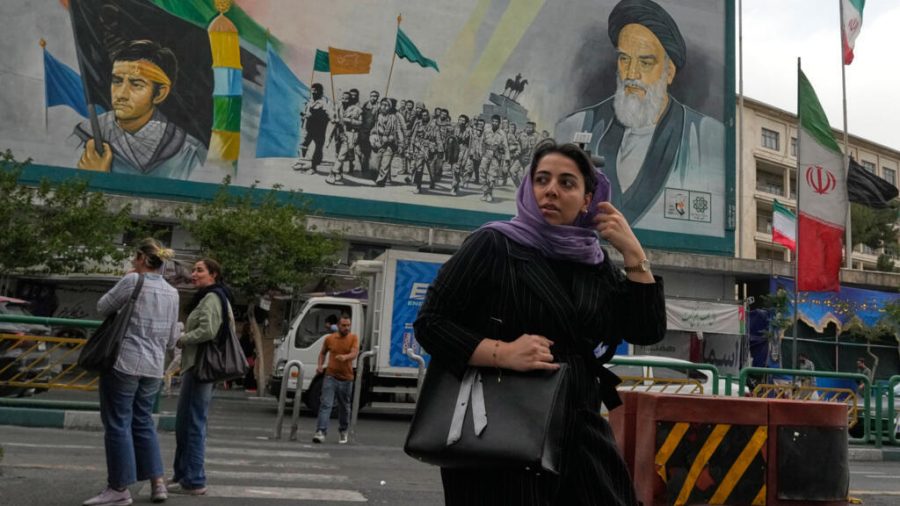
The prospect of a breakthrough in negotiations between Iran and the United States to address the ongoing Middle East conflict hit a roadblock on Monday, as an Iranian official cautioned that a final agreement was not imminent. This comes despite both nations reportedly making significant progress on several key issues, raising hopes for a resolution in recent days.
Iranian Official Tempers Expectations
Esmaeil Baqaei, the spokesman for Iran’s foreign ministry, stated earlier today that while discussions with Washington have advanced on a “large portion of the issues,” a comprehensive deal to end the conflict remains elusive. “An agreement is not imminent,” Baqaei declared during a press briefing in Tehran, signaling that substantial differences still need to be addressed.
His remarks stand in stark contrast to comments made by U.S. Secretary of State Marco Rubio, who just hours earlier expressed optimism about the possibility of a deal being finalized “today.” Rubio’s statement had fueled speculation that a major diplomatic breakthrough was on the horizon, but Baqaei’s more measured tone has cast doubt on the immediacy of any agreement.
Key Sticking Points in the Negotiations
While neither side has disclosed specific details of the ongoing discussions, sources close to the negotiations have suggested that the talks revolve around several crucial issues, including:
- The withdrawal of foreign military forces from conflict zones.
- Humanitarian aid corridors to support affected civilians.
- Steps to rebuild trust and ensure compliance with any future agreements.
Despite progress on these fronts, Baqaei indicated that significant obstacles remain, particularly regarding mutual assurances and guarantees. Observers note that the long history of strained relations between Iran and the U.S. complicates the negotiation process, with both sides wary of making concessions without reciprocal commitments.
Global Implications of a Potential Deal
A resolution to the Middle East conflict would not only mark a major diplomatic achievement but also have far-reaching implications for regional stability and global geopolitics. Analysts believe that a deal could pave the way for reduced tensions between Tehran and Washington, potentially influencing other regional actors to pursue peace initiatives.
However, the path to peace is fraught with challenges. Persistent mistrust, domestic political pressures, and the involvement of various regional and international stakeholders make this a highly complex negotiation. Both nations face scrutiny from allies and adversaries, who will closely monitor the terms of any potential agreement.
What Lies Ahead?
As the world watches closely, the outcome of these negotiations remains uncertain. Baqaei’s comments suggest that while progress has been made, the road to a final agreement is far from smooth. Meanwhile, Secretary Rubio’s optimism hints at the possibility of a breakthrough, though it may take longer than initially anticipated.
For the latest updates and real-time developments on this evolving story, follow our live blog as we continue to provide comprehensive coverage of this critical geopolitical moment.