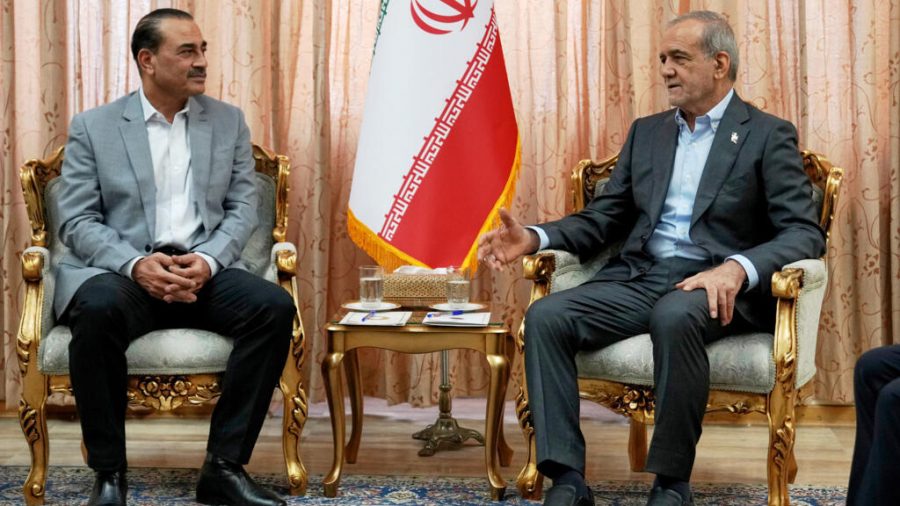
Progress Reported in Trilateral Talks to End US-Israeli War on Iran
In a significant diplomatic development, officials from Iran, the United States, and Pakistan announced on Saturday that substantial progress had been made in negotiations aimed at ending the US-Israeli war on Iran. The talks, mediated by Pakistan, have brought the three nations closer to a potential resolution, with a Pakistani security official confirming that a memorandum of understanding (MoU) is currently being finalized.
Hope for De-Escalation Amidst Ongoing Tensions
The announcement marks a rare moment of optimism in a conflict that has deeply divided the international community. While specific details of the negotiations remain under wraps, insiders suggest that the discussions have focused on mutual concessions, steps toward de-escalation, and measures to ensure long-term peace in the region.
A senior Pakistani security official, speaking on condition of anonymity, described the MoU as being “fine-tuned” to address key concerns from all parties. “We are cautiously optimistic that this agreement could serve as a stepping stone toward a more comprehensive peace framework,” the official said.
The Role of Pakistan as Mediator
Pakistan has emerged as a crucial player in mediating these high-stakes discussions. Leveraging its strategic geopolitical position and longstanding diplomatic ties with both Iran and the United States, Islamabad has facilitated multiple rounds of dialogue. Analysts believe this mediation effort could bolster Pakistan’s international standing as a peacemaker in the region.
Pakistani Prime Minister Anwar Ali emphasized his country’s commitment to fostering stability. “We are dedicated to bridging divides and fostering an environment where peace can flourish,” Ali stated in a press release issued on Saturday.
Challenges Ahead
Despite the reported progress, significant challenges remain. The conflict, characterized by years of military escalations and heightened rhetoric, has left a trail of devastation across the region. Trust between the parties is fragile, and any potential agreement would require robust mechanisms to ensure compliance and accountability.
Experts warn that spoilers, both internal and external, could undermine the fragile progress. “The involvement of multiple stakeholders with competing interests makes this a highly complex negotiation,” said Dr. Farah Qureshi, a political analyst based in Islamabad. “It is crucial for all parties to remain committed to the process and resist the urge to revert to hardline stances.”
Global Reactions
The international community has welcomed the news of progress with cautious optimism. The United Nations Secretary-General issued a statement urging all involved parties to seize this opportunity to end hostilities and prevent further suffering. Meanwhile, European Union representatives have offered to support the peace process in any way necessary.
Regional players, including Saudi Arabia and Turkey, are closely monitoring the developments. Both nations have a vested interest in the outcome of the talks, given their geopolitical stakes in the region.
What Comes Next
The finalization of the MoU is expected to be a decisive moment in the peace process. While the exact timeline for its completion remains unclear, officials from all three countries have expressed hope that the agreement will be formalized in the coming weeks.
“This is a critical juncture,” said an Iranian diplomat familiar with the talks. “If we succeed in reaching an agreement, it will not only bring relief to millions but also set a precedent for resolving conflicts through dialogue and mutual respect.”
As the world watches closely, the stakes could not be higher. The outcome of these talks has the potential to reshape the geopolitical landscape and bring an end to a conflict that has exacted an enormous human and economic toll.