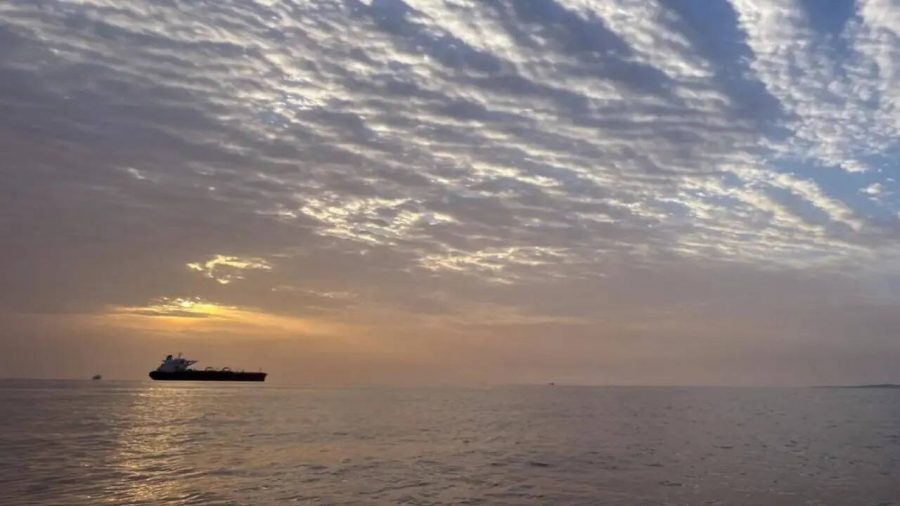
In a bold maneuver that challenges the efficacy of US naval power in the strategic Strait of Hormuz, an Iranian super tanker has successfully circumvented a blockade, delivering a significant cargo of crude oil valued at $220 million to Asia. This incident raises questions about the enforcement of US sanctions and the persistent efforts of Iran to maintain its oil exports amidst ongoing geopolitical tensions.
The Defiance of the US Naval Blockade
Despite the United States’ assertions of having a firm grip on the Strait of Hormuz, a vital maritime corridor through which a significant portion of the world’s oil supply is transported, reports have emerged that an Iranian oil tanker managed to slip past US forces undetected. The tanker, carrying more than 1.9 million barrels of crude oil, has reportedly reached its destination in Asia, marking a significant victory for Iran amidst heightened tensions with the West.
Details of the Incident
The successful voyage of the Iranian super tanker highlights the persistent challenges faced by the US in enforcing its sanctions against Iran. Since the re-imposition of sanctions in 2018, following the US withdrawal from the Iran nuclear deal, the Iranian government has sought innovative ways to export its oil, often relying on clandestine operations and the use of less identifiable vessels.
According to sources, this particular tanker has navigated through the heavily monitored waters of the Strait of Hormuz, which is frequently patrolled by US Navy vessels. The incident raises significant concerns about the effectiveness of the US military presence in the region and the ability of Iranian vessels to operate freely.
Challenges in Enforcing Sanctions
The successful delivery of this oil cargo is not an isolated event. Reports indicate that numerous Iranian vessels have breached the US-imposed blockade, suggesting a pattern of evasion that has become increasingly sophisticated. Analysts note that despite the US’s efforts to tighten its grip on oil shipments from Iran, the country has found ways to circumvent these restrictions.
- Use of Alternative Routes: Iranian tankers have been using alternative shipping routes and modifying their vessels to avoid detection.
- Disguising Cargo: Some vessels have been reported to change names and flags to confuse tracking systems.
- Support from Allies: Iran has reportedly received assistance from allies and sympathetic countries in facilitating these oil shipments.
These tactics have allowed Iran to continue exporting oil, a crucial lifeline for its economy, despite the international sanctions aimed at crippling its oil revenues. The country’s reliance on these shipments underscores the ongoing resilience of its oil industry.
Geopolitical Implications
The implications of this successful oil shipment extend beyond just the economic realm; they also reflect broader geopolitical tensions. The US has consistently reiterated its commitment to curbing Iran’s oil exports to limit its funding for regional militant groups and destabilizing activities. However, incidents like this one demonstrate the difficulty of achieving complete control over maritime trade routes, particularly in politically charged areas.
As tensions continue to rise between Iran and the United States, this incident may provoke further military posturing and diplomatic maneuvering. The Iranian government is likely to leverage this success as a demonstration of its defiance against US sanctions and its ability to uphold its economic interests in the face of adversity.
Conclusion
The successful evasion of the US blockade by the Iranian super tanker carrying $220 million worth of oil underscores the ongoing complexities in enforcing sanctions and the resilience of Iran’s oil exportation strategies. As both nations navigate this fraught landscape, the international community watches closely, aware that each incident could have far-reaching consequences for regional stability and global oil markets.