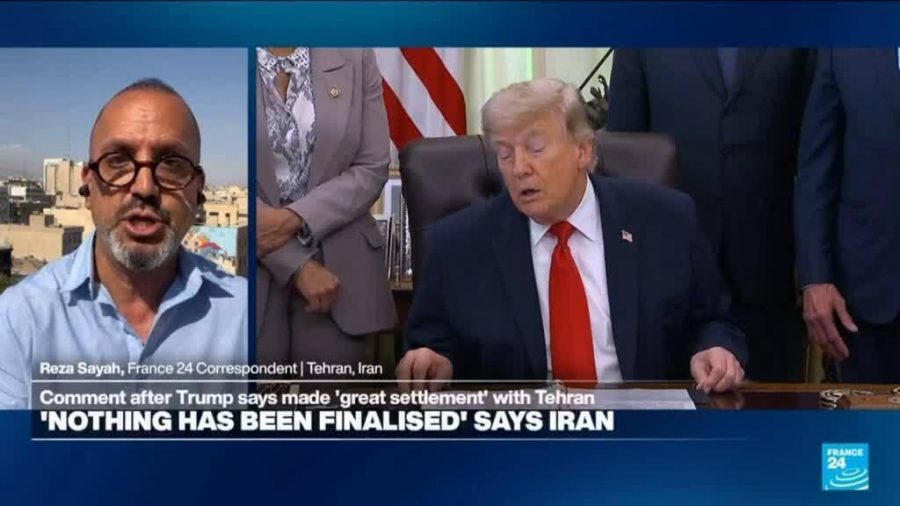
Iran and the U.S.: A Fragile Landscape of Diplomacy
In a dramatic turn of events, U.S. President Donald Trump announced on Thursday that he had called off new military strikes on Iran, suggesting a potential breakthrough in negotiations aimed at de-escalating tensions between the two nations. However, this optimistic portrayal of a diplomatic thaw has been met with skepticism from Iranian officials, who continue to express deep-seated doubts about America’s intentions.
Trump’s Announcement: A Glimpse of Hope?
Trump’s remarks came amidst escalating tensions in the region, where military actions have been a constant source of concern for both sides. In his statement, the President emphasized the importance of dialogue over conflict, indicating that he was open to negotiations that could lead to a resolution of the ongoing standoff. His administration has been under pressure to find a diplomatic solution, particularly following a series of aggressive military maneuvers that have raised alarms within the international community.
Iran’s Response: Mistrust and Caution
Despite Trump’s claims of progress, Iranian officials have been quick to downplay the prospect of an imminent agreement. According to France 24’s correspondent, Reza Sayah, Tehran’s leadership has expressed “deep mistrust” towards Washington, viewing the U.S. as an unreliable partner in negotiations. This sentiment is not without historical precedent, as decades of strained relations and broken promises have left an indelible mark on Iranian perceptions of American diplomacy.
The Historical Context of U.S.-Iran Relations
The relationship between the U.S. and Iran has been fraught with tension since the 1979 Iranian Revolution, which resulted in the overthrow of the U.S.-backed Shah and the establishment of a theocratic regime. Since then, both countries have engaged in a series of confrontations, including economic sanctions, military interventions, and diplomatic standoffs. The nuclear deal of 2015 offered a brief respite from hostilities, but its subsequent unraveling under the Trump administration has reignited fears of conflict.
Public Sentiment in Iran
Within Iran, public sentiment is complex and often reflects the broader geopolitical landscape. Many Iranians harbor a deep suspicion of U.S. motives, fueled by a history of intervention and perceived betrayal. As such, any overtures from the U.S. are met with skepticism, as citizens and officials alike question whether the current U.S. administration is genuinely committed to peace or merely seeking to gain leverage in future negotiations.
The Path Forward: Challenges Ahead
As the situation continues to evolve, the challenge for both nations will be to navigate their historical grievances while finding common ground. Analysts suggest that for any meaningful dialogue to take place, both sides must address the underlying issues that have fueled decades of animosity. This includes discussions surrounding Iran’s nuclear program, regional influence, and the lifting of economic sanctions that have crippled the Iranian economy.
Conclusion: A Delicate Balance
In conclusion, while Trump’s announcement may have momentarily raised hopes for a diplomatic resolution, the reality on the ground reflects a much more complex and cautious approach from Iran. With deep mistrust characterizing U.S.-Iran relations, the road to peace remains fraught with challenges. Moving forward, it will be essential for both nations to engage in genuine dialogue, free from the shadows of their tumultuous past.