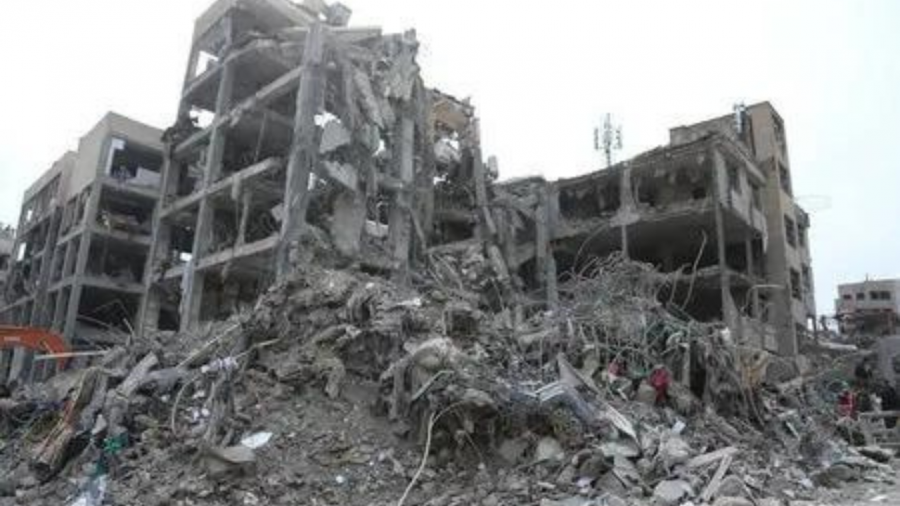
Middle East Conflict Intensifies Economic Pressures on Iran
As weeks of conflict unfold in the Middle East, Iran’s economy finds itself grappling with unprecedented pressures. Despite the nation’s enduring internal resilience and limited external trade, the ongoing geopolitical crisis is straining its financial system to the brink.
The Economic Landscape of Iran
Iran’s economic situation has been precarious for years, exacerbated by international sanctions, mismanagement, and recent military escalations. The current conflict, centered around regional hostilities, has further complicated its efforts to stabilize. With significant business challenges and rising costs, the Iranian government is now faced with the daunting task of maintaining economic stability.
Internal Resilience Amid External Pressures
In the face of these adversities, Iran is attempting to leverage its domestic resources to uphold its economy. This includes enhancing production capabilities and focusing on self-sufficiency in various sectors, such as agriculture and manufacturing. However, the internal resilience is not enough to completely shield the economy from external shocks.
Alternative Trade Routes and Strategies
With traditional trade routes becoming increasingly jeopardized due to the ongoing Gulf standoff, Iran is exploring alternative avenues for trade. Countries like Russia and China have emerged as crucial partners, providing a lifeline as they engage in barter deals and trade agreements that bypass traditional financial systems. This strategic pivot aims to mitigate the impact of sanctions and bolster Iran’s economic resilience.
Business Challenges on the Ground
Despite these efforts, Iranian businesses are experiencing significant hurdles. Rising costs of raw materials and logistical challenges due to disrupted supply chains are impacting production. Many companies are struggling to cope with inflation, which has surged as the national currency continues to devalue. Reports indicate that small and medium-sized enterprises (SMEs) are particularly vulnerable, with many facing closure or downsizing.
The Human Cost of Economic Strain
The impact of the economic downturn is palpable among the Iranian populace. Unemployment rates are climbing, and many families are finding it increasingly difficult to make ends meet. Basic necessities are becoming harder to afford, leading to widespread dissatisfaction and unrest. The social fabric of Iran is thus under threat as economic pressures mount.
International Responses and Future Outlook
The international community’s response to the ongoing conflict and its implications for Iran’s economy has been mixed. While some nations call for immediate ceasefire talks, others are hesitant to intervene, leaving Iran in a precarious position. As negotiations stall, the outlook for Iran’s economy remains uncertain. Experts warn that without significant diplomatic breakthroughs, the country may soon face a breaking point.
Conclusion
As the Middle East conflict drags on, Iran’s economy continues to feel the strain. While the nation is making efforts to bolster its internal capabilities and seek alternative trade routes, the challenges ahead are daunting. The intersection of economic hardship and regional instability poses a critical juncture for Iran, raising questions about its future in an increasingly volatile geopolitical landscape.