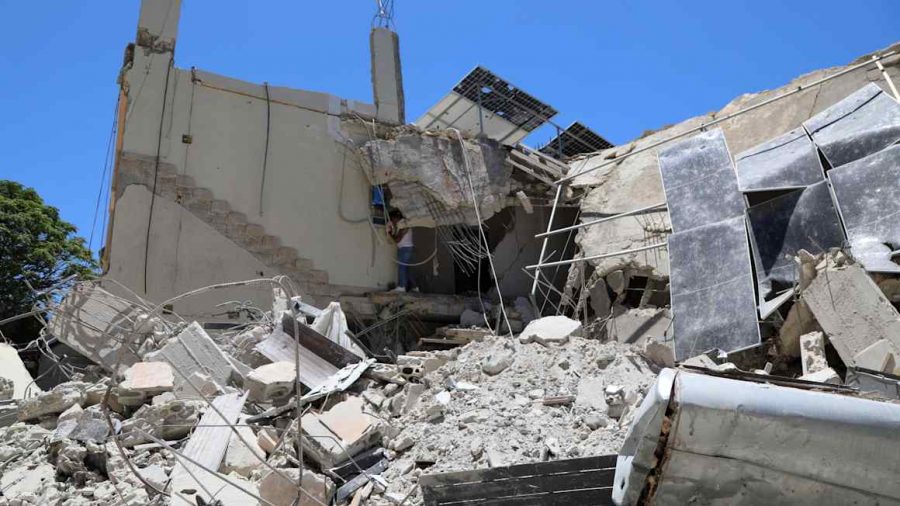
In a significant development in the Middle East, Israel and Hizbollah have reportedly reached a ceasefire agreement. This truce not only aims to halt ongoing hostilities between the two parties but also carries potential implications for international oil markets and the delicate negotiations surrounding a US-Iran deal.
The Ceasefire Agreement
After weeks of escalating tensions and skirmishes, the ceasefire between Israel and Hizbollah marks a pivotal moment in the region. The agreement, brokered with the assistance of international mediators, is expected to provide a much-needed respite for civilians caught in the crossfire.
Details of the Agreement
While specifics of the ceasefire remain under wraps, sources indicate that both sides have agreed to halt military operations and focus on diplomatic dialogue. The truce is expected to last indefinitely, contingent on adherence by both parties.
Impact on Oil Prices
In response to the ceasefire news, oil prices have experienced a notable drop. Market analysts attribute this decline to growing optimism that the agreement might bolster ongoing negotiations between the United States and Iran.
Market Reactions
The oil market’s immediate reaction was one of relief, as fears of escalating conflict often lead to spikes in crude prices. The cessation of hostilities is viewed as a stabilizing factor that could reduce supply disruptions in the region.
- Increased Supply: A ceasefire could lead to a more stable production environment in oil-rich areas.
- Market Sentiment: Investors are hopeful that peace could lead to an easing of sanctions against Iran, allowing for increased oil exports.
- Geopolitical Factors: The agreement may also influence other regional powers, resulting in a broader shift towards stability.
Implications for US-Iran Relations
The ceasefire has the potential to reshape the dialogue between the United States and Iran, particularly in light of ongoing negotiations over Iran’s nuclear program. A reduction in hostilities may create an environment conducive to renewed discussions, possibly leading to a more favorable outcome for both sides.
International Response
World leaders have welcomed the ceasefire, viewing it as a critical step towards lasting peace in the region. The United Nations has called for both parties to adhere to the terms of the agreement and to prioritize the humanitarian needs of civilians affected by the conflict.
Looking Ahead
As the world watches closely, the ceasefire between Israel and Hizbollah serves as a reminder of the fragile nature of peace in the Middle East. The coming weeks will be crucial in determining whether this agreement leads to a sustained reduction in hostilities or if tensions will once again flare.
Analysts will continue to monitor the situation, particularly as it relates to oil prices and the broader geopolitical landscape. The hope is that this ceasefire may not only be a temporary pause in conflict but could also pave the way for a more comprehensive peace framework in the region.