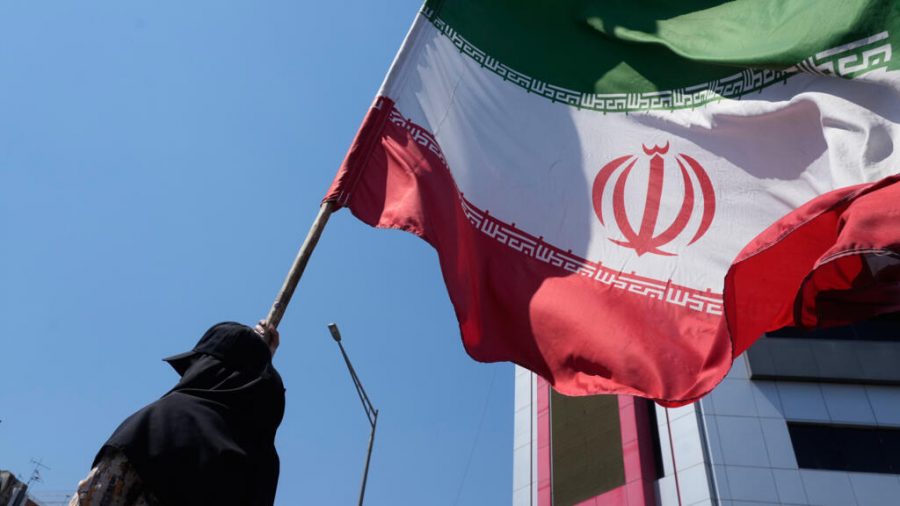
Israel and Iran De-escalate Tensions Following Renewed Clashes
In a significant development in the ongoing tensions between Israel and Iran, both nations have opted to step back from further military action following a series of exchanges that marked their first clashes since a US-brokered ceasefire two months ago. The recent skirmishes have raised concerns about the potential for a wider conflict, prompting regional powers and the Trump administration to intervene in an effort to maintain peace.
Recent Clashes and Their Aftermath
On Monday, the situation escalated when Israeli forces and Iranian-backed groups exchanged fire in a show of force that left many observers worried about an imminent outbreak of hostilities. This exchange came just two months after a fragile ceasefire was negotiated with the help of the United States, aiming to stabilize the increasingly volatile region.
Both Israel and Iran issued stern warnings following the clashes, indicating that any further attacks would be met with retaliation. This stance reflects the deep-seated animosity that has characterized their relationship for decades, with both sides committed to a policy of deterrence.
International Reactions
The recent developments have not gone unnoticed on the international stage. Regional powers have expressed their concern about the potential for the conflict to spiral into a broader war. Countries such as Saudi Arabia and Egypt are closely monitoring the situation, given that any significant escalation could have far-reaching implications for the entire Middle East.
The Trump administration has also weighed in, emphasizing the importance of restraint and dialogue to prevent further military engagements. Senior officials have been in contact with both Israeli and Iranian leaders, urging them to adhere to the ceasefire terms and to pursue diplomatic avenues to resolve their differences.
The Broader Context
These clashes are part of a larger narrative of regional power struggles, where Israel views Iran’s military entrenchment in neighboring countries as a direct threat to its national security. Iran, on the other hand, sees Israel’s actions as provocative and unjustified, leading to a cycle of retaliatory violence that has persisted for years.
In recent months, Iran has been increasingly vocal about its support for militant groups in Syria and Lebanon, which Israel perceives as hostile entities. The ongoing military activities have heightened tensions, prompting fears of a potential conflict that could engulf the region.
Efforts for Peace
Despite the recent clashes, there are ongoing efforts to solidify peace in the region. Diplomatic channels remain open, with various stakeholders advocating for a renewed focus on dialogue. The hope is that sustained negotiations can lead to a more lasting resolution, one that addresses the underlying issues fueling the hostilities.
As both Israel and Iran navigate this precarious landscape, the international community remains vigilant, recognizing that the stakes are high. The potential for a wider conflict looms large, and the need for careful diplomacy has never been more urgent.
Conclusion
As of now, both Israel and Iran appear to have opted for a temporary pause in hostilities, but the fragility of the situation cannot be understated. With both sides maintaining a readiness to retaliate, the coming days and weeks will be crucial in determining whether a path to lasting peace can be forged or if the cycle of violence will continue.